

Garage Door Bottom Seal Replacement in Melbourne: Signs, Options and Next Steps
What if the gap under your garage door isn’t caused by the seal at all? A worn or poorly fitting seal can let water, dust, pests and draughts into your garage, but door alignment or an uneven floor may also be to blame. If you’re considering garage door bottom seal replacement Melbourne homeowners can start by checking where the gap appears and whether the seal looks cracked, flattened or loose.
It’s understandable to want a straightforward fix, especially when the cause isn’t obvious or you’re unsure which seal will fit your door. This guide will help you spot common signs of wear, understand what information helps identify a compatible replacement, and decide on a safe next step.
We’ll look at how the door profile and floor affect the fit, what replacement may involve, and when it’s sensible to have the door assessed before choosing a seal. We Do Garage Doors is an independent Melbourne business operated by master garage door technicians; check directly whether bottom-seal supply and replacement are currently available.
Table of Contents
Garage Door Bottom Seal Replacement in Melbourne: Signs Your Seal Needs Attention
Cracks, flattened rubber, loose sections or daylight beneath a closed door are common clues that the bottom seal may be worn. You might also notice draughts, dust, leaves or water getting into the garage. These signs point to a gap, but they don’t confirm that the seal itself is responsible. A sloping floor, door alignment or damage can create a similar problem.
It helps to check the pattern: a seal that looks split or no longer sits evenly against the floor may need attention, while a gap that changes along the width of the door could have another cause. The design of a garage door and its components can vary, so identifying the source matters before choosing a fix.
How can you tell if a garage door bottom seal is worn?
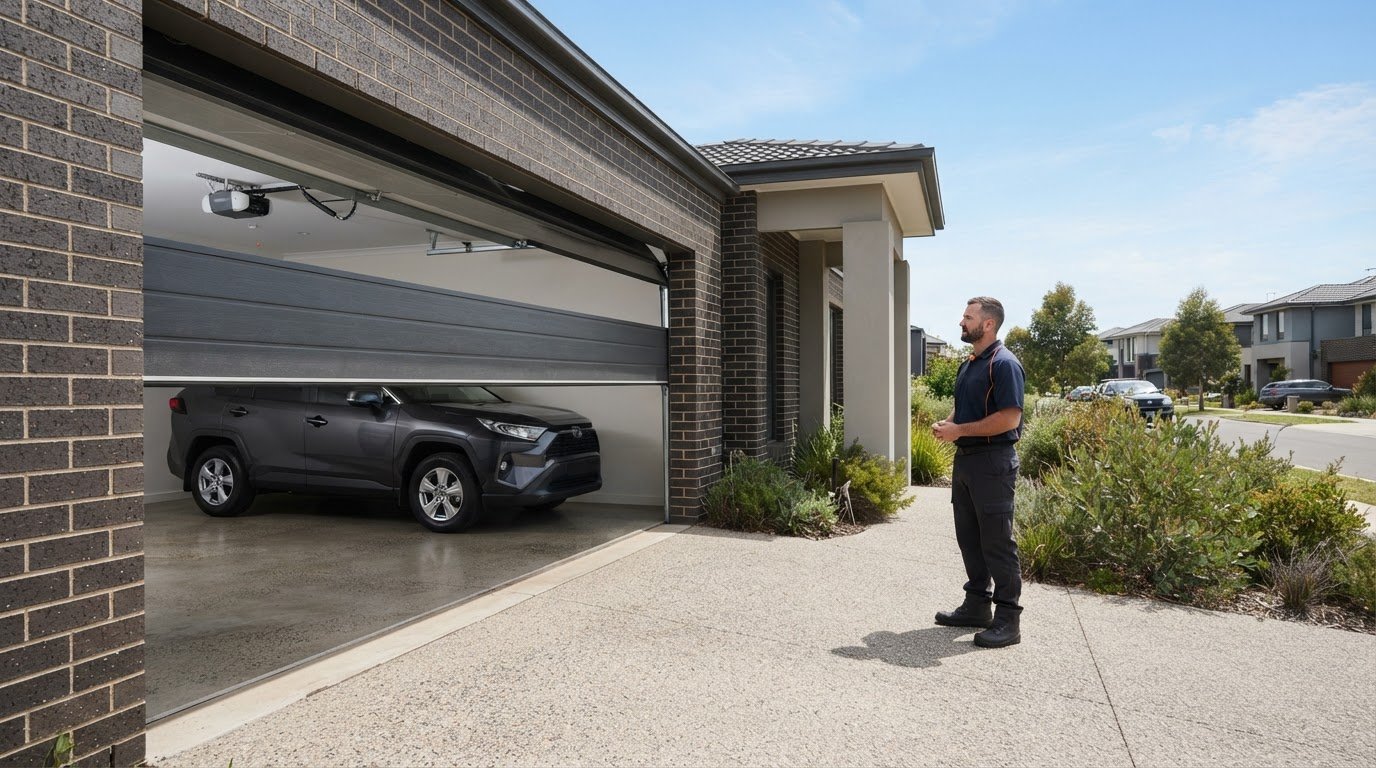
Look for rubber that has become brittle, split, misshapen or noticeably flattened. Sections may be pulling away from the retainer, the channel that holds the seal along the bottom of the door. From a safe distance, observe the door when it’s fully closed and check for visible gaps or daylight beneath it.
Keep the check visual. Don’t put your hands or objects under a moving door, or beneath one that isn’t securely supported.
Could the gap be caused by the door or garage floor instead?
Yes. A floor that slopes or dips can leave a gap even if the seal appears intact. If the gap is wider in one spot, or the door closes unevenly, the issue may involve alignment or another part of the door rather than the seal alone.
Arrange an assessment if the gap varies noticeably or the door operates abnormally. A professional can inspect the door and floor together before recommending whether the seal, the door or both need attention.
In short: cracks, brittleness, flattening and loose rubber are direct signs of seal wear; draughts, dust, debris or water indicate a gap, while an uneven gap or unusual operation calls for further inspection of the door and floor.
If you’re researching garage door bottom seal replacement Melbourne options, start by noting what you can see and when the gap appears. A careful diagnosis helps avoid replacing a seal that isn’t the cause. Enquire with We Do Garage Doors to confirm whether bottom-seal supply and replacement are currently available.
Choosing a Garage Door Bottom Seal: Check the Profile, Size and Fit
Bottom seals aren’t universal. The profile of the seal, the retainer channel that holds it and the design of the door’s bottom rail all affect whether a replacement will fit and sit correctly. A seal that looks similar may not slide into the existing retainer or close evenly against the floor.
Before ordering, note the door’s make and model, if known, and look at the shape of the existing seal and retainer. Avoid choosing a part by appearance alone, or relying on a dimension or brand unless it’s been checked against your door.
What information helps identify the right replacement seal?
Take clear photos of the existing seal, the door’s bottom edge and any gaps, including areas where the gap changes. These details can help a technician assess the profile and how the seal attaches. The retainer channel and bottom rail may determine the fitting method, so include them in your photos where possible. Don’t remove parts or reach beneath a moving door to get a closer look.
When are rubber, foam or brush seals relevant?
Rubber, foam and brush describe different seal categories, not interchangeable choices for every garage door. A bottom seal is intended for the door’s lower edge, while brush or other perimeter seals may address gaps at the sides or top. The right option depends on the actual door, retainer and location of the gap. Confirm suitability before buying rather than assuming a material will solve every draught or water issue.
For general trade information, the International Door Association provides resources relating to industry standards. For garage door bottom seal replacement Melbourne enquiries, We Do Garage Doors can help assess garage door issues; contact the business to confirm whether bottom-seal supply and replacement are currently available. You can share your door details and photos through a garage door service enquiry.
DIY or Professional Replacement? Make a Safe Call for Your Melbourne Garage
A visual check from a safe distance can help you note whether the seal looks split, flattened or loose. Replacing it is a different matter. If the retainer is difficult to access, the door is damaged, or it closes unevenly, pause before attempting the work. A new seal won’t fix a mechanical fault or correct door alignment.
A technician can assess both the seal and the door’s condition, then recommend what needs attention. This is particularly useful when you’re unsure whether the gap comes from the seal, the retainer, the door or the floor. For garage door bottom seal replacement Melbourne homeowners should confirm with the business whether seal supply and replacement are currently available, rather than assume it’s part of every repair.
When is a professional assessment the safer option?
Ask for an assessment if the door feels unusually heavy, makes unfamiliar noises, closes unevenly or doesn’t shut consistently. Stop using it and seek help if it appears damaged or unstable. These symptoms may point to an issue beyond the seal, and continued operation could make the problem worse. A professional can check the door and its operation before advising whether seal work alone is appropriate.
If you’re concerned about springs or cables, don’t try to inspect or adjust them. Read this garage door spring replacement safety guide for more on the risks associated with high-tension components.
What should you avoid during a DIY inspection?
Keep checks visual and keep clear of pinch points, moving panels, tracks, springs and cables. Never put your hands or tools beneath a moving door, or under one that isn’t securely supported. Don’t remove or adjust high-tension hardware as part of seal troubleshooting. If you’re uncertain about the door’s stability, leave the inspection to a professional.
A bottom seal is at floor level, but if any check or repair would require you to use a ladder, review WorkSafe Victoria’s ladder safety guidelines and consider whether a professional assessment is the safer option. Don’t take risks to get a closer look. Clear photos taken from a safe position can help explain what you’ve noticed when making an enquiry.
What to Expect from Bottom Seal Replacement in Melbourne
A suitable replacement starts with checking the cause of the gap, not simply fitting a new strip. At the initial discussion, explain what you’ve noticed, how the door behaves and whether the gap is consistent along its width. Clear photos of the door’s bottom edge and the existing seal can help clarify what needs to be assessed.
Before agreeing to work, confirm what the assessment includes and whether bottom-seal supply and replacement are currently available. The scope can vary if the retainer is damaged, the floor is uneven, the door needs attention or access is difficult. Ask what work is recommended before anything proceeds; costs and timing depend on the specific job, so avoid relying on assumptions.
What will a technician check before fitting a new seal?
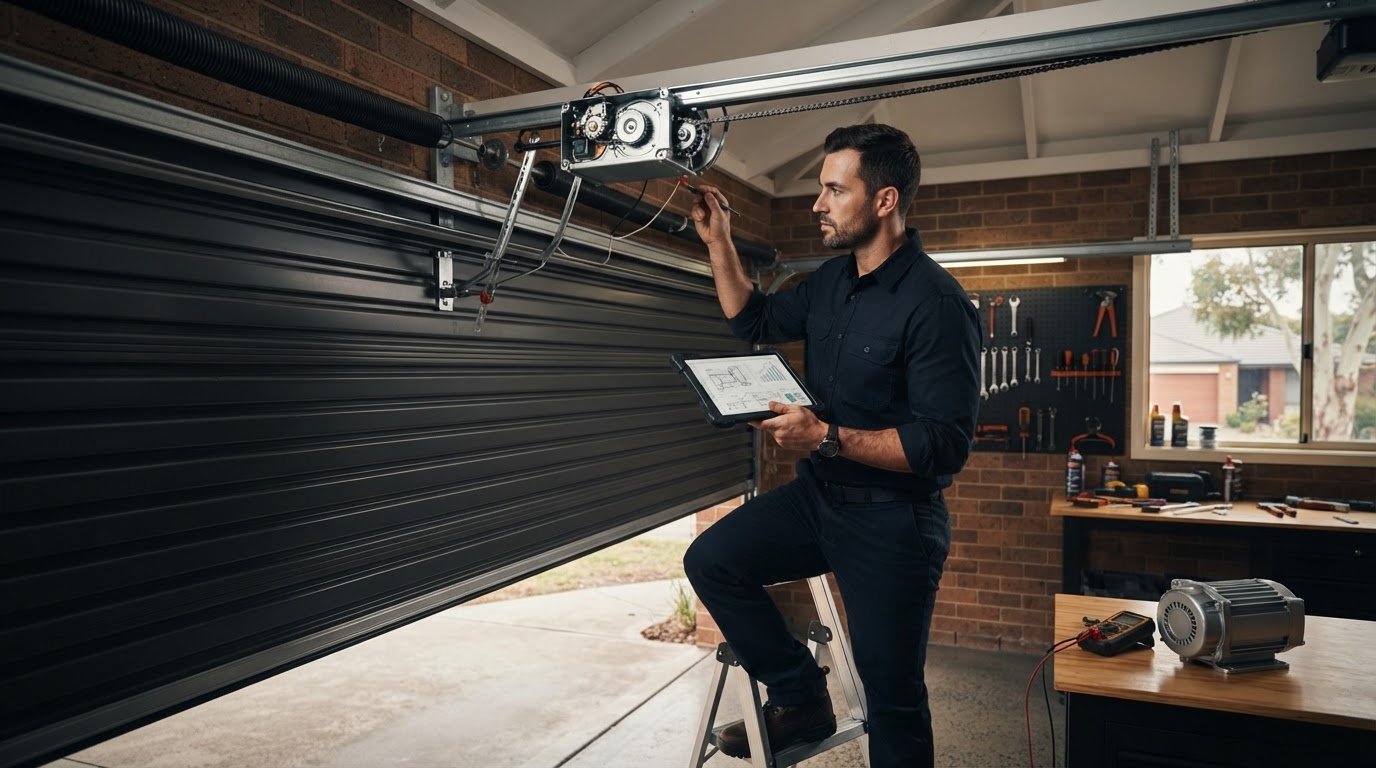
The technician should identify the door type, inspect the existing seal profile and check the condition of the retaining channel. They should also look at the floor gap, door alignment and operation to see whether another issue is contributing. If an additional door problem is found, ask for it to be explained separately so you understand what a seal replacement can and can’t resolve.
Once the cause and compatible fitting approach are clearer, the existing seal may be removed and a suitable replacement fitted. This is a high-level overview, not a DIY procedure: work on a door or retainer can require care, particularly if the door is damaged or operating abnormally.
How should the door be checked after replacement?
After fitting, the seal should make appropriate contact with the floor along the closed door, without forcing the door down to close a gap. The door’s operation should also be checked, along with whether the seal remains seated in its retainer. If the floor is uneven, contact may naturally differ across the opening, so any remaining gap should be assessed in context rather than covered by forcing the door.
If gaps persist, the seal shifts or the door no longer operates smoothly, stop and request a follow-up assessment. These signs may point to a fit, floor or door issue that needs further attention.
For garage door bottom seal replacement Melbourne, We Do Garage Doors can help assess residential garage door issues. Enquire about a garage door assessment and confirm whether bottom-seal supply and replacement are available for your door.
Arrange Garage Door Bottom Seal Help in Melbourne and Nearby Suburbs
A clear enquiry helps establish whether the issue appears to be the seal, the door or another part of the setup. We Do Garage Doors provides residential garage door repair support across Melbourne, but bottom-seal supply and replacement aren’t confirmed as a dedicated service. Check availability directly before arranging this specific work.
If you’re in Greenvale, Craigieburn, Mickleham, Roxburgh Park or Wollert, confirm service availability for your suburb when you get in touch. Coverage can vary, so it’s better to check than assume.
What details should you include in a service enquiry?
Share a few practical details to help explain what’s happening:
Your suburb and the type of garage door, if you know it.
What the seal looks like, such as whether it’s cracked, flattened or coming loose.
When you first noticed the gap, and whether it changes along the door.
Whether the door closes evenly and if you’ve noticed any unusual operation.
Clear photos of the seal, bottom edge and gap can help communicate the issue. Take them only while the door is stationary and from a safe position, keeping clear of moving parts. You don’t need to diagnose the fault yourself. A careful assessment can help determine whether replacement or another garage door repair is more appropriate.
How can Melbourne homeowners take the next step?
Contact the business to describe the problem and confirm whether it can assist with your door, suburb and requested work. If you’d like an overview of other issues that may need attention, read the guide to garage door repairs in Melbourne.
For garage door bottom seal replacement Melbourne enquiries, include your observations and ask whether bottom-seal supply and replacement are currently available. The right next step depends on what’s causing the gap, so getting that clarified can save you from ordering an incompatible seal or overlooking a door fault.
Contact We Do Garage Doors to discuss your residential garage door issue and confirm suitable assistance.
Take the Next Step Towards a Better-Fitting Garage Door
Cracks, flattened rubber or loose sections can point to a worn bottom seal, but a gap may also come from an uneven floor or a door that isn’t closing squarely. Checking the door profile and retainer before choosing a replacement can help avoid ordering an incompatible part. If the door is damaged, uneven or operating unusually, leave the inspection and repair to a professional.
For garage door bottom seal replacement Melbourne enquiries, share your suburb, door type, what you’ve noticed and clear photos taken from a safe position. We Do Garage Doors is an independent Melbourne business operated by master garage door technicians, providing residential garage door repair and maintenance across Melbourne. Ask whether bottom-seal supply and replacement are currently available and whether the service covers your area.
Contact We Do Garage Doors to discuss your garage door issue and find out what assistance may be suitable. With the cause properly assessed, you can take the next step with greater confidence and peace of mind.
Frequently Asked Questions
How do I know if my garage door bottom seal needs replacing?
Cracking, brittleness, flattened sections, loose edges or daylight beneath a closed door can indicate a worn seal. These signs don’t prove the seal is the only cause, though. An uneven floor, poor door alignment or another fault may also leave a gap. If the door closes unevenly or behaves unusually, arrange an assessment before replacing parts. A visual check from a safe distance can help you describe what you’ve noticed.
Can I replace a garage door bottom seal myself?
Some replacement jobs may look straightforward, but the correct fit depends on the door profile, retaining channel and condition of the door. Keep clear of moving panels and pinch points, and don’t adjust springs or cables. If the door feels heavy, closes unevenly or appears damaged, don’t attempt the work. Ask a garage door technician to assess it first and confirm whether seal replacement is suitable.
What type of bottom seal fits my garage door?
There isn’t one bottom seal that fits every garage door. Compatibility can depend on the door’s make and model, the existing seal profile, the retaining channel and the shape of the gap. Check the door details and existing fitting before buying a replacement. If you can’t identify them, share clear photos with a technician for advice. A seal listed for one brand shouldn’t be assumed to fit another.
Will replacing the bottom seal stop water from entering my garage?
A suitable, correctly fitted seal may help reduce gaps beneath the door, but it can’t guarantee a watertight garage. Floor slope, drainage, door alignment and the size or shape of the gap can all affect the result. If water continues to enter after seal work, have the door and surrounding area assessed. The source may be something a bottom seal alone can’t address.
How much does garage door bottom seal replacement cost in Melbourne?
The cost depends on the seal required, the door’s condition, fitting requirements and whether other issues need attention. We Do Garage Doors hasn’t confirmed a set price or dedicated bottom-seal replacement service, so generic online figures may not reflect your job. For garage door bottom seal replacement Melbourne enquiries, contact a local provider with your door details and suburb to confirm availability and ask what an assessment involves. Check coverage if you’re in Greenvale, Craigieburn, Mickleham, Roxburgh Park or Wollert.
Can a garage door seal be replaced if the door is uneven?
A seal may be replaceable, but an uneven door can make contact with the floor inconsistent and may point to an alignment or operating issue. Replacing the seal alone may not close the gap. Ask a garage door technician to assess how the door meets the floor and operates, then confirm the suitable work. If the door is damaged or behaving unusually, avoid attempting repairs yourself.
Comments