

Garage Door Chain Drive Lubrication: A Safe, Practical Guide
Could the wrong lubricant make a noisy chain-drive opener worse? Squeaks and rattles can have more than one cause, so garage door chain drive lubrication shouldn’t mean spraying whatever’s on hand. Your opener’s manual is the best guide to the right lubricant, application points and maintenance schedule.
It’s understandable to want a quick fix, especially when the noise interrupts your day. But the chain, sliding trolley, hinges and tracks are different components and may have different care requirements. Lubricating the wrong surface can attract dirt or leave the original problem unresolved.
This guide explains what to check before you begin, how chain lubrication differs from caring for hinges and tracks, and how to approach maintenance cautiously. You’ll also learn when persistent noise may point to a repair issue rather than routine upkeep. If the cause isn’t clear, We Do Garage Doors provides residential inspection and servicing across Melbourne, including lubrication, testing, cleaning and operational checks. Every repair, installed part and new installation comes with a 1-year warranty.
Table of Contents
What garage door chain drive lubrication does, and what it does not do
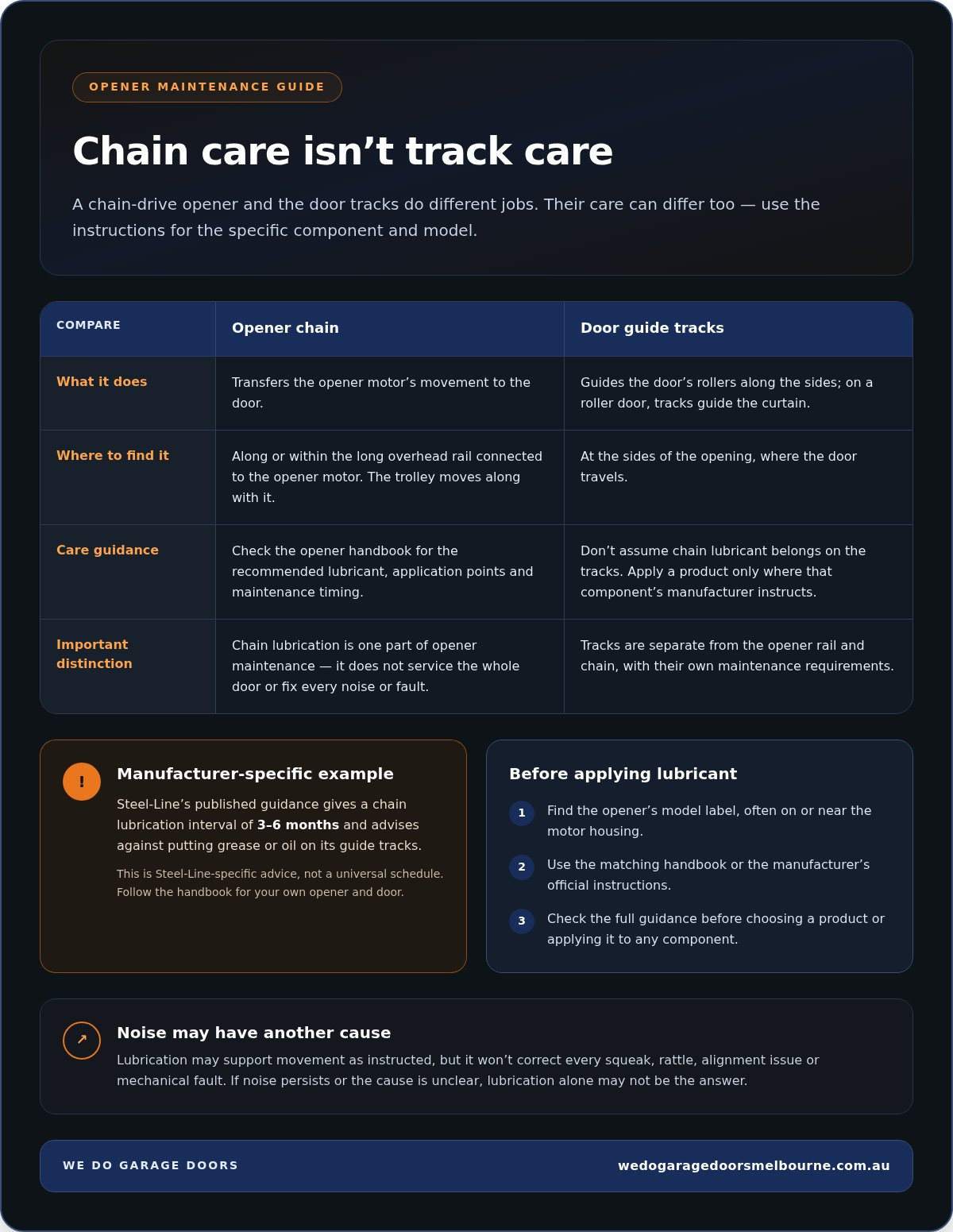
A chain-drive opener uses a motor to move the garage door through a chain running along an overhead rail. The chain transfers the opener’s movement to the door, while the tracks at the sides of the opening guide the door as it travels. These are separate components with different maintenance needs.
Garage door chain drive lubrication means applying the lubricant specified by the opener manufacturer to the chain and any other listed service points. It’s one part of maintenance, not the same as servicing the whole door. Lubrication supports the movement described in the opener’s instructions, but it can’t correct every squeak, rattle, alignment issue or mechanical fault.
Which part is the garage door chain drive?
Look above the door for a long metal rail connected to the opener motor. The chain is visible along or within that rail, and the trolley attached to it moves as the opener operates. You don’t need to remove a cover or dismantle anything to identify the general arrangement. If you’re unsure what you’re looking at, stop and consult the manual.
The chain is not the same as the door tracks. Tracks guide the door’s rollers along the sides; the opener chain is part of the motor system that moves the door. General garage door information, including how a chain drive garage door opener works, can help explain the mechanism. Your own opener’s handbook should identify its model and specific service points.
Why does the chain need the right maintenance?
Lubrication may help the chain and other specified moving points operate as intended, but it isn’t a fix for a loose, damaged or misaligned component. A noisy opener may also point to an issue elsewhere in the door system. Adding lubricant without identifying the correct point can leave the real cause untouched or put product where the manufacturer doesn’t recommend it.
There’s no single lubricant or timetable that suits every chain-drive opener. Manufacturers can specify different products, application points and service intervals for their models. Check the handbook before applying anything. If it’s missing, use the opener’s model details to find the relevant manufacturer instructions. Don’t assume a product or schedule is suitable just because it worked on another door.
Opener chain: follow the opener manufacturer’s directions.
Door tracks: these guide the rollers and are separate from the opener rail and chain.
Whole-door servicing: includes broader checks and care beyond the opener chain.
Keeping these parts distinct makes maintenance more deliberate. If the door still sounds or moves unusually after routine care, lubrication alone may not be the answer. The next step is to identify whether the cause needs inspection.
Choose chain drive lubricant and timing from the opener manual
Start with the handbook for your specific opener. It should identify the recommended lubricant, the points that need attention and how often to maintain them. General advice can explain the basics, but it shouldn’t override directions written for your model. Follow the opener manufacturer’s lubricant and maintenance instructions.
How to find the correct lubrication instructions
Look for a model label on the opener unit, often on or near the motor housing. Use the model details to find the matching handbook. If you can’t locate your copy, search the opener manufacturer’s official website for instructions for that model. Check that the model information matches rather than relying on a guide for a similar-looking opener.
Read the full maintenance guidance before choosing a product. A lubricant suitable for one chain-drive system may not be approved for another, and instructions can specify where to apply it and where to keep it away from. Broader garage door maintenance guidelines can provide useful context, but the opener’s own directions take priority.
Why chain lubricant is not a door-track lubricant
The opener chain runs along the overhead opener rail. Door guide tracks are separate: they guide the rollers on a sectional door or the curtain on a roller door. They have different jobs, so don’t assume that a product intended for the chain belongs on the tracks, hinges, locks or springs too. Apply a product to a component only when its manufacturer says to.
Steel-Line’s published guidance gives chain-specific instructions, including an interval of 3-6 months. That’s manufacturer-specific advice, not a universal timetable for every brand or model. Steel-Line also advises against putting grease or oil on its guide tracks. For another door or opener, follow its own handbook rather than transferring Steel-Line’s directions across.
In practice, if you have a Steel-Line opener, use its instructions to guide chain care and follow its separate warning for guide tracks. If your opener is another make, don’t assume the same lubricant or interval applies. Different components can have different maintenance requirements, and adding lubricant to the wrong place may attract dirt or leave the actual issue unresolved.
Keep the chain’s maintenance instructions separate from the door’s wider care instructions. A quiet chain doesn’t mean the tracks, rollers or other parts have been checked, and a noisy door doesn’t prove the chain needs lubricant. If the manual is unclear or the sound persists, professional garage door servicing can help identify the cause and carry out appropriate checks.
Chain noise or a fault? Compare the symptoms before lubricating
A new squeak or rattle can make lubrication seem like the obvious fix, but the sound alone doesn’t identify the cause. Listen from a safe position while the door operates normally. Notice whether the noise seems to come from the overhead opener rail or from the door’s side tracks. Don’t stand beneath a moving door or put your hands near the mechanism.
Sound and movement are clues, not a diagnosis. Use these observations to decide whether the opener manual’s maintenance directions are relevant or whether it’s safer to stop and arrange an inspection.
What the sound and door movement may tell you
A dry-sounding noise near the opener rail may point towards the chain, while scraping near the sides may come from the door or its tracks. Rattling can have several causes. Watch whether the door travels smoothly and evenly, but don’t touch or adjust parts while it’s moving. If it operates irregularly or appears unsafe, stop using it.
When lubrication is not the right fix
Follow only the lubricant and application directions for your opener model. If they don’t resolve a dry-sounding chain, don’t keep adding product or increase the amount in the hope of quietening it. Persistent noise, scraping, uneven travel or an opener that struggles can signal an issue that lubrication won’t correct. A professional inspection can help identify the cause and determine the appropriate next step.
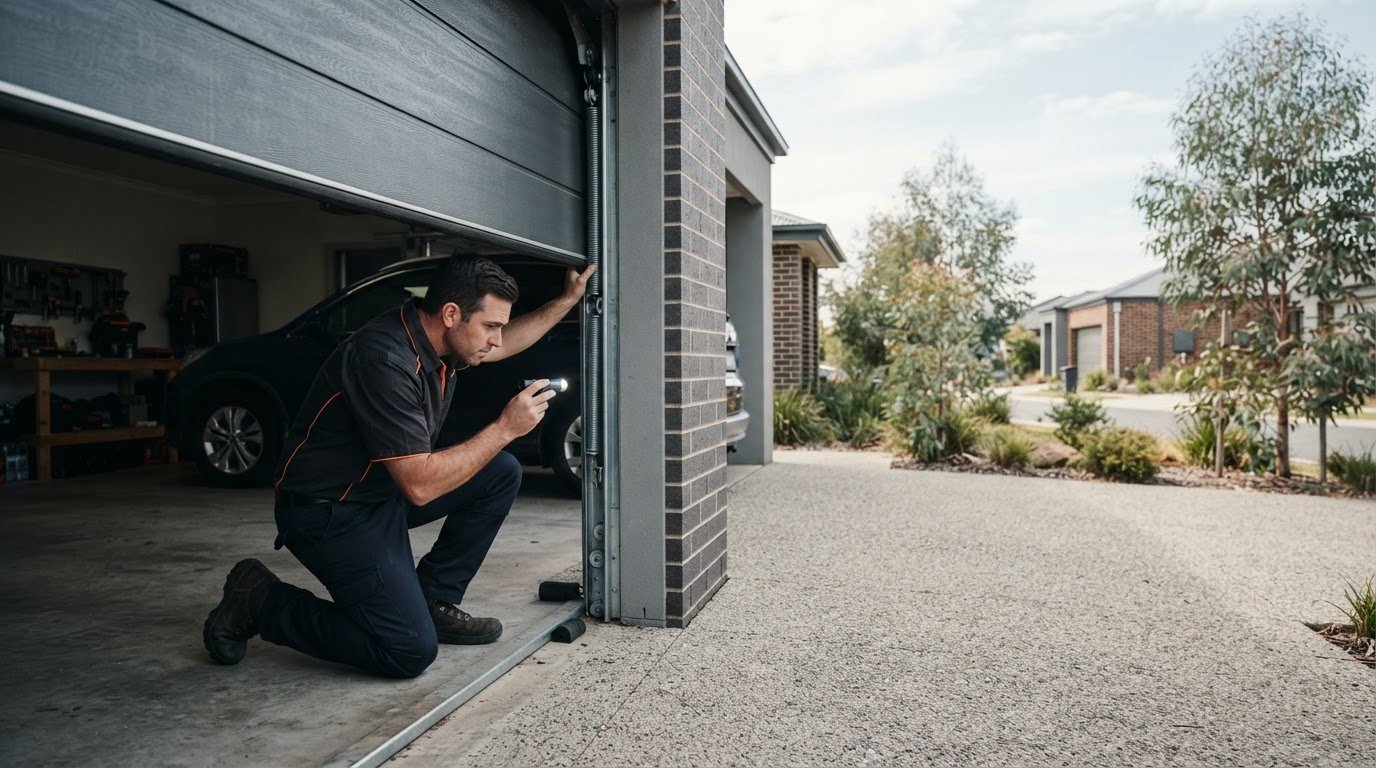
Pay particular attention to changes in how the door moves. If it becomes jerky, appears to come out of alignment or stops behaving as it normally does, leave the mechanism alone and keep clear. Don’t attempt to adjust springs or cables. Springs are under extreme tension; attempting a DIY fix can cause serious injury.
Not sure whether the sound is coming from the chain or the door itself? We Do Garage Doors provides servicing across Melbourne, including inspection, lubrication, testing, cleaning and operational checks. Every repair and installed part comes with a 1-year warranty.
How to lubricate a garage door chain drive safely
Good preparation makes chain maintenance more controlled. Before starting garage door chain drive lubrication, match the opener’s model and chain-drive configuration to its own instructions. Don’t rely on a general schedule or product recommendation if the manufacturer’s directions for your opener say otherwise.
Prepare before applying lubricant
Find the model label on the opener and check that the handbook applies to that exact unit. Gather only the lubricant it specifies, plus a cloth if the instructions call for one. If you can’t find the handbook, use the opener manufacturer’s official instructions. Don’t touch, adjust or dismantle components beyond the stated maintenance task.
Read the maintenance instructions first. Confirm the approved lubricant, application points, quantity and safety steps. If the directions don’t cover your opener or chain configuration, don’t guess.
Prepare the door and opener as directed. The door should be fully closed before maintenance, and the opener should be unplugged unless the manufacturer’s instructions specify another procedure. Don’t proceed if you can’t safely reach the service point or follow the manual’s steps.
Keep clear of moving parts. Never place your hands near the chain, trolley, rail or door mechanism while the system is operating. Don’t work beneath an unsupported door, and don’t adjust springs, cables or other parts outside the stated maintenance task.
Apply only what the manual specifies. Use the stated method and amount, and treat only the listed points. More lubricant isn’t better. Don’t spread chain lubricant onto tracks, hinges, locks or springs unless their manufacturer’s instructions specifically call for it.
Complete the directed operational check. Restore power and operate the door only as the manual instructs. Observe from a safe position, keeping clear of the door and opener. Stop if movement is uneven, the motor struggles or unusual noise remains.
Apply the lubricant and check operation
Some opener instructions may call for a cloth to manage excess lubricant, while others may specify a different method. Stick to the directions for your model rather than adding steps from another opener’s guide. Keep children and pets clear of the work area, and don’t leave the door unattended during a manual-directed operating check.
Lubrication is only one part of looking after a garage door system. An annual garage door service checklist can help you understand the broader checks beyond the opener chain. If the door still moves or sounds abnormally, avoid repeating the lubrication process and arrange professional attention to identify the cause.
If you’re unsure about the procedure or the noise continues, book garage door servicing in Melbourne for inspection, lubrication, testing, cleaning and operational checks.
When Melbourne homeowners should book chain-drive garage door servicing
A little noise doesn’t always mean something is seriously wrong, but persistent rattling, uneven movement or an opener that seems to struggle deserves attention. If you’ve followed the opener’s maintenance instructions and the problem remains, professional inspection can help establish whether the sound is coming from the chain, the door or another part of the system. Avoid repeated lubrication or DIY adjustments when the cause isn’t clear.
What a professional chain-drive service can check
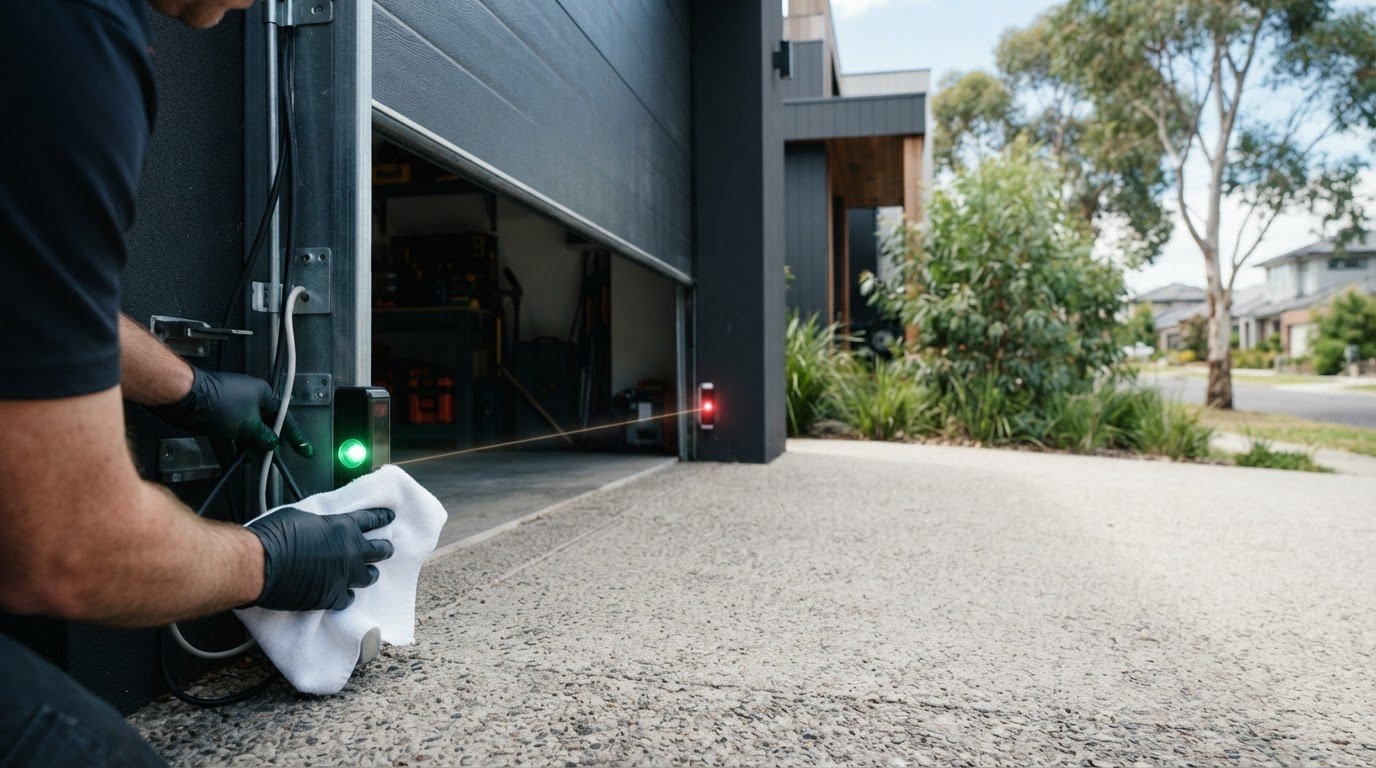
We Do Garage Doors services residential garage doors across Melbourne, including Greenvale, Craigieburn, Mickleham, Roxburgh Park and Wollert. A service includes inspection, lubrication, testing, cleaning and operational checks, with tightening where required. Looking at the opener and door together helps assess how they operate as a system, rather than treating chain noise as an isolated issue. Lubrication is one element of that process, not a substitute for checking the door’s movement and components.
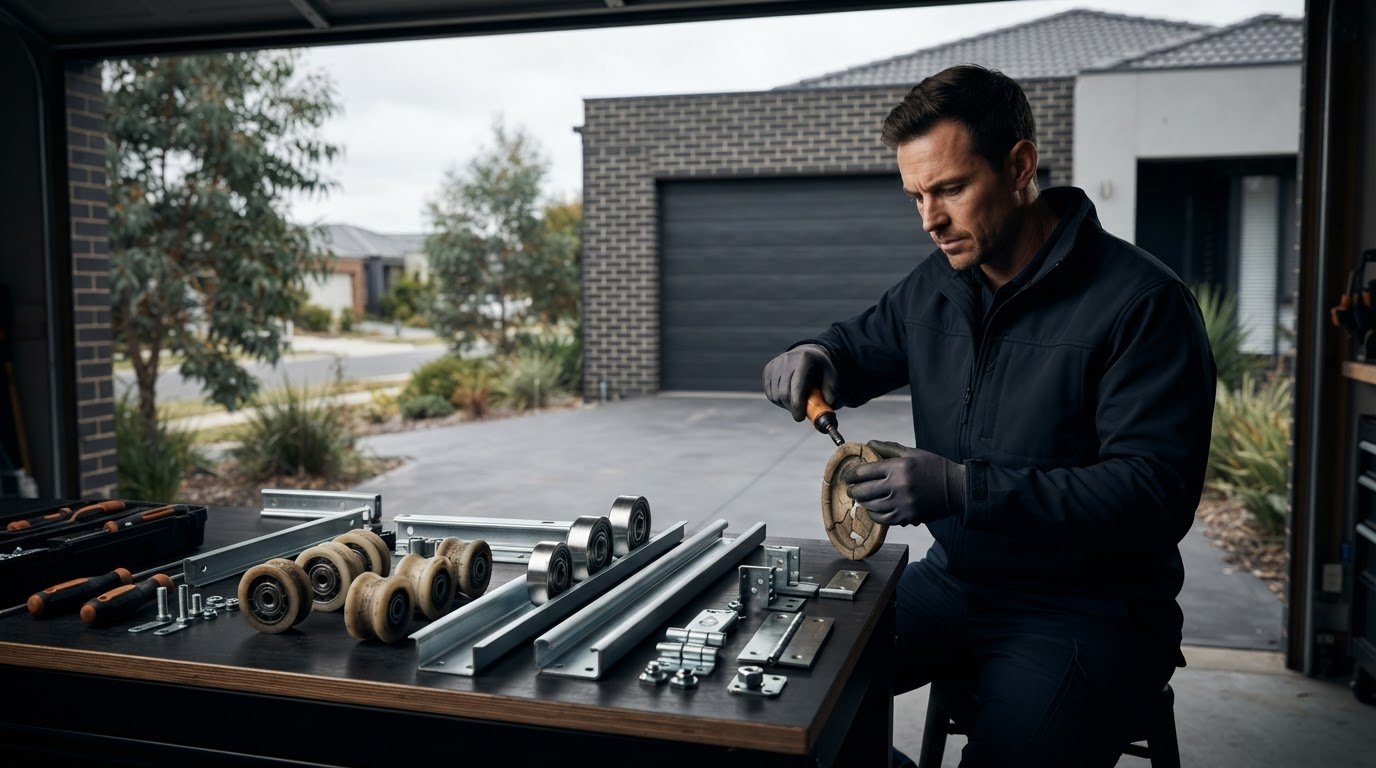
If the door travels irregularly, the motor struggles or noise persists after appropriate maintenance, the issue may need repair rather than more lubricant. We Do Garage Doors has over 12 years of local experience, and every repair, installed part and new installation comes with a 1-year warranty. For ongoing faults, explore garage door repairs in Melbourne.
Arrange local help when the issue persists
There’s no need to treat every chain noise as an emergency. But stop using the door if its movement becomes irregular or visibly unsafe, and arrange an inspection to find the cause. Same-day service is available in most cases, particularly across the listed northern suburbs, including Greenvale, Craigieburn, Mickleham, Roxburgh Park, Wollert and Epping. Emergency repairs are available 24/7 when a situation needs urgent attention.
Whether you’re unsure if garage door chain drive lubrication is appropriate or the door still isn’t operating as it should, a service can provide a clearer picture of what needs attention. Call 0423 746 364 or email chrispdoors@gmail.com to discuss the issue and arrange local help.
Book garage door servicing with We Do Garage Doors for practical support with inspection, maintenance and repairs.
Keep your garage door moving with confidence
Use your opener’s manual as the reference point for future maintenance, and note any change in sound or movement rather than treating every noise with more lubricant. That habit can help you recognise when routine garage door chain drive lubrication is no longer the right response and it’s time for a closer look.
If the cause remains uncertain, We Do Garage Doors can help with inspection and servicing in Melbourne. The team brings over 12 years of local garage door experience, and every repair, installed part and new installation is backed by a 1-year warranty. For urgent problems, 24/7 emergency repairs are available.
Take the next step towards a quieter, more dependable door with garage door servicing from We Do Garage Doors. With the right care and support, you can feel more confident every time you head out or arrive home.
Frequently Asked Questions
How often should I lubricate a garage door chain drive?
Follow the maintenance schedule in the handbook for your specific opener. Steel-Line’s general lubrication guide gives a 3-6-month interval, but that shouldn’t be treated as a universal schedule for every chain-drive model. Check the model instructions for the lubricant, application points and timing. If the handbook is missing or unclear, use the opener manufacturer’s official guidance rather than estimating an interval based on how often you use the door.
What lubricant should I use on a garage door chain drive?
Use the lubricant specified in your opener’s handbook. Steel-Line’s guide recommends chain lube for an opener chain where fitted, but other manufacturers may give different directions. Don’t assume a general-purpose spray, oil or grease is suitable just because it’s labelled as a lubricant. Check the instructions for the exact model and follow the stated application method, including any limits on where the product should go.
Can I use WD-40 on my garage door chain?
Don’t assume WD-40 or another general-purpose spray is suitable for your opener chain. The right choice depends on the maintenance instructions for your exact model, so check those before applying anything. If you’ve already used a product and the opener still sounds unusual or behaves differently, don’t keep spraying or add another lubricant over it. Stop troubleshooting and arrange an inspection if the issue continues.
Should I lubricate garage door tracks as well as the chain?
No, don’t assume the opener chain and door guide tracks need the same treatment. They’re separate parts, and their maintenance instructions can differ. Steel-Line advises against using grease or oil on its guide tracks, while its opener-chain guidance specifies chain lube where fitted. Check the instructions for your own door and opener before applying a product, and keep chain lubricant off other components unless their manufacturer recommends it.
Will lubricating the chain fix a noisy garage door?
It may help if the noise is from a chain that the opener’s instructions say needs lubrication, but it won’t address every cause. Note whether the sound seems to come from the opener or the door, and whether movement remains smooth. If noise continues after you’ve followed the manual, or the door becomes jerky or the opener struggles, stop adding lubricant and arrange a professional inspection.
Is it safe to lubricate a garage door chain myself?
It can be appropriate to carry out the maintenance described in your opener’s handbook, provided you follow its safety directions and keep clear of moving parts. Don’t dismantle the opener or adjust components beyond the stated task. If movement is irregular, the cause is unclear or the work involves springs, stop and get professional help. Springs are under extreme tension; attempting a DIY fix can cause serious injury.
Does a chain-drive garage door opener need professional servicing?
Professional servicing can help assess the opener and door together, particularly if noise or unusual movement persists after you’ve followed the handbook. We Do Garage Doors servicing includes inspection, lubrication, cleaning, testing and operational checks. For example, if the opener sounds different but you can’t tell whether the noise comes from the chain or door, an inspection can help identify what needs attention instead of relying on repeated lubrication.
Comments