

Roller Door Cable Repair Melbourne: What to Expect
You press the button and your roller door lurches, hangs unevenly or refuses to move. A loose or damaged cable could be the cause, and continuing to operate the door may make the problem worse. If you’re looking for roller door cable repair Melbourne homeowners can rely on, We Do Garage Doors provides residential roller door repairs across Melbourne and nearby suburbs.
Cable faults can involve components under tension. Stop operating the door if it’s crooked, jammed, moving jerkily or making snapping noises, and keep clear until it can be assessed. This guide covers warning signs, what to do while arranging help and how a technician approaches the repair.
We Do Garage Doors is operated by master garage door technicians. The team assesses the door, identifies the likely cause and explains the recommended repair so you know what needs attention and why.
Table of Contents
Roller door cable repair Melbourne: signs it is time to arrange a repair
If your roller door looks uneven or stops moving normally, a cable may be involved. A door that sits crookedly, jerks as it moves or suddenly becomes difficult to operate needs attention, but those symptoms alone can’t confirm the cause. Cables work as part of a system of lifting components, and other faults can create similar signs.
For roller door cable repair Melbourne homeowners should arrange a professional assessment rather than forcing the door through its cycle. A technician can inspect the door and determine whether a cable or another component needs attention. Understanding the general garage door mechanisms helps explain why several parts affect movement, but it doesn’t replace an on-site diagnosis.
What cable trouble can look like on a roller door
From a safe distance, look for a cable that appears slack, frayed, kinked or out of position. You might also notice that one side of the door sits higher, or that the door moves unevenly, hesitates or jerks. These observations are useful to report, but they don’t prove the cable is the cause. A technician needs to assess the door and its lifting components to identify the right repair.
Pay attention to changes in the door’s behaviour as well as visible signs. For example, a door that used to travel smoothly may now pause, move unevenly or stop part-way. A cable issue is one possible explanation, but a fault elsewhere in the lifting or operating system can produce similar behaviour. Don’t reach into the mechanism for a closer look.
What to do while arranging professional help
Leave a visibly faulty door undisturbed. Repeatedly pressing the control or trying to move the door by hand can put extra strain on parts that may already be damaged. Keep children, visitors and pets clear of the door and its moving components. Don’t adjust, reconnect or tighten a cable, and don’t try to make a stuck door complete its travel.
Note what changed and when. Was the door uneven from the start, or did it begin jerking or stopping during a recent use? Did you notice slack or fraying before its movement changed? Share what you observed with the technician, without touching the cable or testing the door again. These details can help guide the assessment.
Cables operate as part of a loaded door system, so cable repair isn’t a safe DIY task. If a cable looks damaged or has moved out of position, keep clear and arrange professional help. We Do Garage Doors provides residential garage door repairs across Melbourne and nearby suburbs, including Greenvale, Craigieburn, Mickleham, Roxburgh Park and Wollert. A master garage door technician can assess the fault, explain what’s affecting the door and recommend an appropriate repair.
What happens during a roller door cable repair in Melbourne?
A roller door cable repair starts with finding out what the door is doing, rather than assuming the cable is the problem. For roller door cable repair Melbourne homeowners can expect a straightforward process: the technician asks about the symptoms, inspects the door, assesses the likely cause and explains the suitable next step.
The assessment matters because uneven movement or a door that stops can involve a cable, another lifting component or the door’s operation. The technician considers your description alongside what they see, then recommends work based on the fault. The repair and time required depend on the door’s condition and what the inspection finds.
How the technician assesses the cable and door
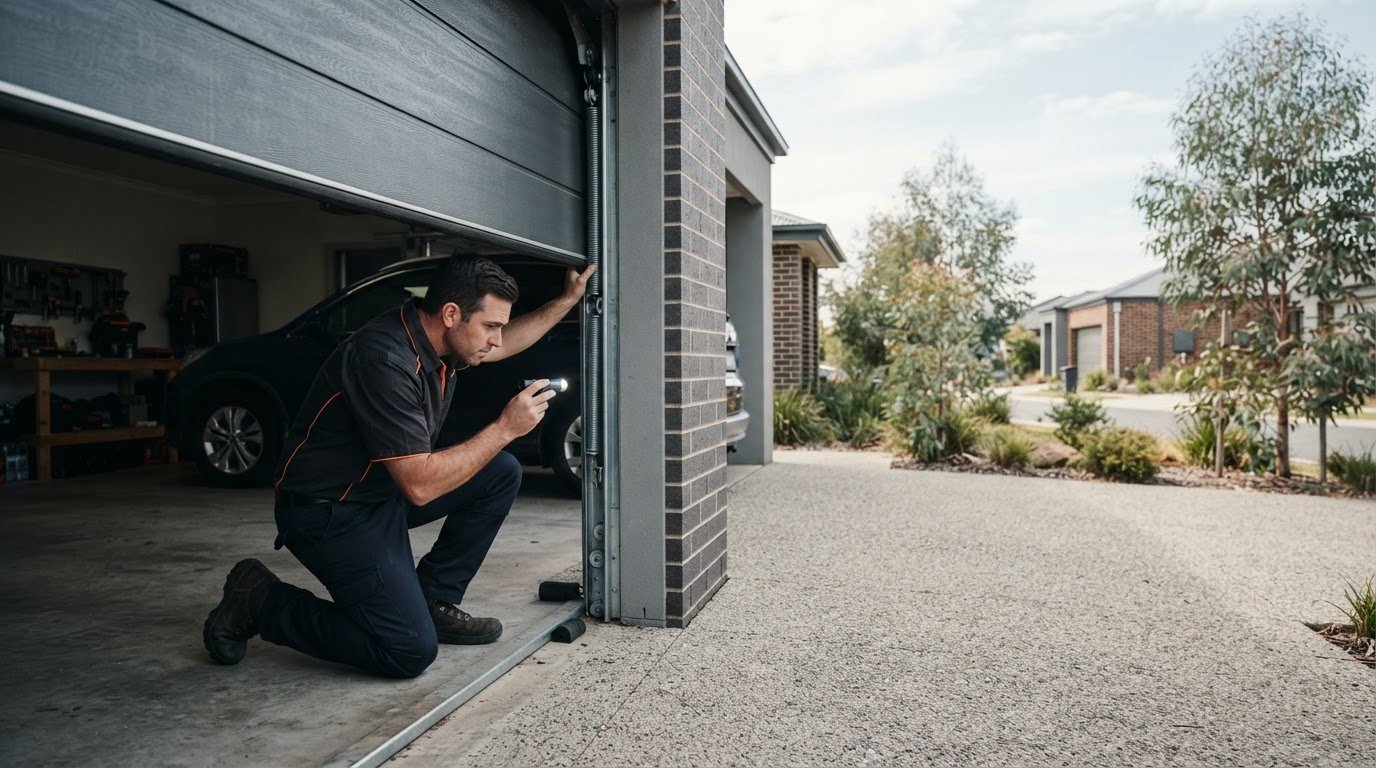
The technician checks the cable’s condition and position, then considers how these relate to the door’s movement. If the symptoms suggest a wider issue, relevant lifting components may also be inspected. This helps distinguish a cable concern from another fault instead of relying on appearance alone. Some parts of the lifting mechanism are under tension, so careful access and assessment are important.
The visit commonly follows a clear sequence:
Describe the fault. Explain what the door does, when the change began and any visible signs you’ve noticed.
Inspect the door. The technician examines the cable and assesses the reported issue.
Identify the likely cause. The assessment helps establish whether the cable or another component needs attention.
Discuss the repair. The technician explains the issue and recommended next steps before work proceeds.
How the repair recommendation is explained
A useful recommendation connects the inspection findings with the symptoms you described. The technician can explain which part appears to be involved, what work is proposed and why it suits the fault. If the cable isn’t the cause, the assessment helps direct attention to the relevant component instead of replacing parts based on a guess.
The technician considers the door’s movement and the condition of its lifting components, rather than relying on one visible symptom. You can discuss the proposed work and understand the next steps before proceeding.
We Do Garage Doors is an independent Melbourne-area business operated by master garage door technicians. For local support with a residential door fault, explore garage door repairs in Melbourne. The technician’s assessment identifies the cause and appropriate repair for the door’s condition.
Cable repair or another roller door repair: how the diagnosis guides the decision
A roller door that moves unevenly, stops part-way or won't respond as expected can have several possible causes. A cable may be damaged or out of position, but a spring, motor or another part of the movement system could also be involved. The signs you notice are useful clues, not a diagnosis.
During roller door cable repair Melbourne homeowners can expect the technician to consider both the cable's condition and the door's behaviour. This helps identify the fault behind the symptom and match the repair to what the inspection finds.
When a cable issue may not be the only fault
The motor and lifting hardware perform different roles. The motor operates the door, while cables and springs are part of the system that supports its movement. A door that doesn't respond to its control may point to an operating issue, while uneven movement may lead the technician to inspect lifting components. These are clues only. Symptoms can overlap, so the technician assesses the door on site.
Why the repair should match the fault
Replacing or adjusting a part based only on the most obvious symptom may leave the underlying issue unresolved. The technician considers the cable's appearance, how the door moves and whether related components show signs of a problem. This fuller picture helps determine whether the recommended repair involves the cable, spring, motor or another part of the door.
If the inspection points to a spring concern, the technician can explain whether spring replacement is relevant to the fault. The recommendation should follow the assessment, rather than assuming every uneven door needs the same repair. You'll have a clear explanation of what needs attention and why.
Keep the door undisturbed if it appears damaged, and tell the technician what you've noticed. Comparing symptoms can help you describe the issue, but it can't confirm which component is faulty. We Do Garage Doors assesses residential garage door faults across Melbourne and nearby suburbs, including Greenvale, Craigieburn, Mickleham, Roxburgh Park and Wollert, then explains the repair suited to the door's condition.
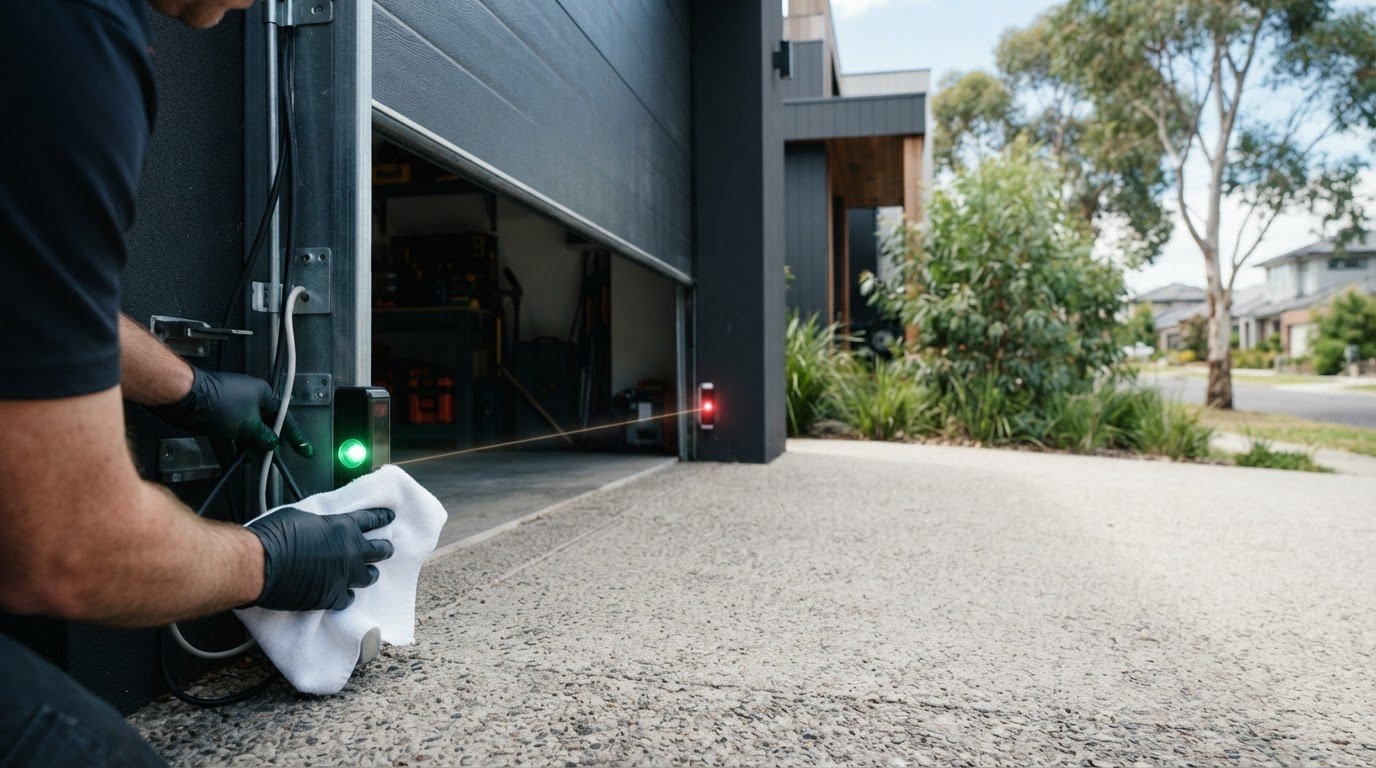
Preparing for a roller door cable repair appointment in Melbourne
A few details before a roller door cable repair Melbourne appointment can help the technician understand what you’ve noticed and prepare for an informed assessment. You don’t need to identify the faulty part yourself. A clear description of the door’s behaviour, visible signs and your suburb gives useful context from the outset.
Details to share when requesting service
Describe whether the door is open, closed, sitting unevenly or difficult to operate. Mention when the change began and whether it happened suddenly or developed over time. If you can see slack, fraying or a cable that looks out of position, describe what you can observe from a safe distance. Don’t touch the cable or move the door to get a better look.
Your suburb: Include your location, such as Greenvale, Craigieburn, Mickleham, Roxburgh Park or Wollert, so the service request has useful local context.
Your door type: Say that it’s a residential roller door and share any details you know about its operation.
The symptoms: Note whether it’s uneven, stuck, moving differently or not responding as expected.
When it changed: A brief timeline can help explain how the fault developed.
Stick to what you’ve seen and heard. For example, “the left side appears lower and the door stopped part-way yesterday” gives a clearer picture than guessing that a particular cable or spring has failed. The technician will assess the door and determine what needs attention.
Making the service visit straightforward
If it’s safe, clear ordinary items from around the garage entrance so the technician can access the door. Don’t move anything that requires you to approach a damaged cable or shift a faulty door. Keep children and pets away from the work area, and leave the door’s controls and lifting parts alone until the assessment.
These steps help keep the area accessible without asking you to inspect or adjust the mechanism. If the door is unstable or visibly damaged, prioritise keeping people clear rather than trying to create access around it. Tell the technician about any access limitations when arranging the visit.
Once the fault has been addressed, an annual garage door service checklist can help you keep track of general maintenance observations. It’s separate from cable repair and doesn’t replace a technician’s assessment when the door is behaving abnormally.
We Do Garage Doors provides residential garage door repairs across Melbourne and nearby suburbs. Share your location and the symptoms you’ve observed to get the conversation started. Arrange a roller door repair assessment with the local team.
Book roller door cable repair Melbourne: We Do Garage Doors
A roller door cable concern can disrupt your routine and leave you unsure what to do next. We Do Garage Doors provides residential roller door cable repairs across Melbourne, with a local team operated by master garage door technicians. The business has been operating since 2018, helping homeowners understand the fault and the repair process.
Local roller door repair support across Melbourne
We Do Garage Doors provides support across Melbourne and nearby suburbs, including Greenvale, Craigieburn, Mickleham, Roxburgh Park and Wollert. Whether your roller door is uneven, stuck or showing visible cable wear, start by describing what you’ve noticed and where you’re located. This gives the team practical context for your residential repair request without requiring you to identify the cause yourself.
The process is straightforward:
Share the symptoms. Describe how the door is moving, what appears unusual and when the problem began.
Arrange an assessment. A master garage door technician inspects the door and assesses the reported fault.
Discuss the repair. The technician explains whether the cable or another component needs attention and outlines the appropriate next step.
This assessment-led approach matters because similar symptoms can have different causes. A cable issue may affect how the door moves, while a motor or another lifting component may also need inspection. Rather than assuming which part has failed, the technician considers the door’s condition before recommending work. You can understand the issue and proposed repair before deciding how to proceed.
Arrange a cable repair assessment
Before getting in touch, note your suburb and the main details you can observe: whether the door is open or closed, if it looks uneven, whether it has stopped moving normally and any visible cable wear. Keep clear of damaged parts and don’t try to adjust or test the door. A concise description is enough to start the conversation.
We Do Garage Doors focuses on residential garage door repairs across Melbourne and surrounding northern suburbs. If you need help with a garage door fault, the team can assess the issue and discuss the repair suited to your door.
If your roller door cable looks damaged or the door isn’t moving as it should, arrange professional help with We Do Garage Doors. Share your location and the symptoms you’ve noticed to arrange an assessment.
Take the next step towards a properly assessed door
A faulty roller door can make everyday routines feel uncertain, but you don’t need to work out which component has failed before seeking help. Your observations are a useful starting point. A professional assessment gives you a clearer basis for deciding what to do next, without guesswork or unnecessary adjustments to a damaged door.
If you’re considering roller door cable repair Melbourne support, focus on having the door assessed rather than repeatedly testing it. Share what you’ve noticed and let the technician explain the recommended repair in straightforward terms. You can then make an informed decision based on the fault, not just the symptom.
We Do Garage Doors offers local support for residential garage door concerns across Melbourne, Greenvale, Craigieburn, Mickleham, Roxburgh Park and Wollert. Take the next step and arrange a roller door cable repair assessment.
Frequently Asked Questions
Can I keep using my roller door if a cable looks damaged?
No. If a cable looks damaged, stop using the door and keep clear until it’s been assessed. Don’t press the remote or wall control to see whether it will move, and don’t stand beneath a door that’s stuck open. For roller door cable repair Melbourne, tell the technician whether the door is raised, lowered or part-way open. This detail can help them plan a safe inspection.
What causes a roller door cable to become loose or frayed?
Regular door use can contribute to cable wear, but a loose or frayed appearance doesn’t reveal the cause by itself. The technician may need to consider the cable’s condition and position alongside the way the door moves. If you’ve noticed the cable looks different from the other side, mention that observation, but don’t compare or handle the cables closely. A technician can assess the system and explain what’s behind the change.
Can a roller door cable be repaired, or does it need replacing?
That depends on the cable’s condition and what the technician finds during the inspection. A damaged cable or one that no longer sits correctly may need replacement, while the assessment may also identify a related issue affecting movement. Before work begins, ask the technician to explain what they found and how the recommended repair addresses it. This helps you understand why the solution suits your door.
How long does roller door cable repair take in Melbourne?
There isn’t one reliable timeframe for every repair. The work required depends on the door’s condition and whether the inspection finds another component that needs attention. A visible cable concern may not show the full scope of the fault. When arranging service, mention if the door is stuck part-way or access to the garage is affected. The technician can discuss timing after assessing the issue.
Is it safe to repair a roller door cable yourself?
No. Avoid trying to repair, reposition or tension a roller door cable yourself. Cables work as part of the door’s lifting system, and handling the mechanism can cause serious injury. Don’t use tools or a ladder to reach the cable, and keep other people away from the work area. If the door is damaged, leave it undisturbed and arrange a professional assessment rather than attempting a temporary fix.
Does a roller door motor problem mean the cable is faulty?
Not necessarily. The motor operates the door, while the cable is part of its lifting system, so a motor concern doesn’t automatically mean the cable is damaged. Note whether the motor makes a sound, whether the control responds and whether the door itself moves. These details can help the technician assess the motor and door together. If the inspection points to the opener, a motor replacement may be recommended.
Comments