

How to Fix a Noisy Garage Door by Finding the Cause
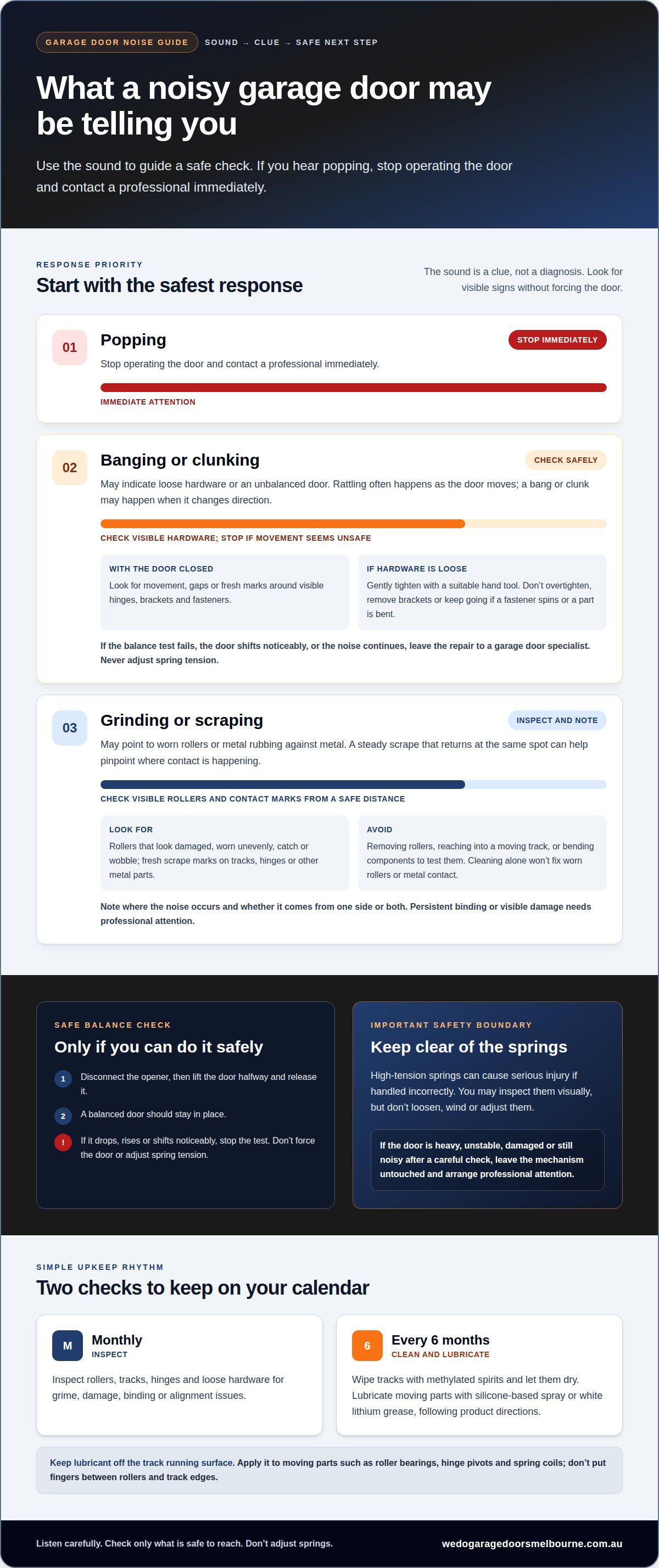
The noise can help identify the cause. To work out how to fix a noisy garage door, match the sound to what you can see: banging or clunking may indicate loose hardware or an unbalanced door, while grinding can point to worn rollers or metal rubbing against metal. Cleaning and suitable lubrication may help, but never adjust springs yourself. If you hear a popping noise, stop operating the door and contact a professional immediately.
A noisy door is frustrating, particularly when the cause isn’t clear. This guide explains how to distinguish banging, clunking and grinding, and how to safely clean and check accessible hardware. It also covers when a noise needs professional attention, so you can avoid repairs involving high-tension parts. Start by listening carefully and checking for visible dirt or loose hardware, then choose a safe next step.
Table of Contents
Banging and clunking from loose hardware or an unbalanced door
First, note when the sound occurs. Rattling often happens as the door moves, while a bang or clunk may occur when it changes direction. Check visible hardware, and assess the door’s balance only if you can do so safely.
Check for loose hardware and rattlingWith the door closed, inspect visible hinges, brackets and fasteners for movement, gaps or fresh marks around screw heads. A loose hinge can rattle as the door travels, while a shifting bracket may cause a sharper clunk. If hardware is loose, gently tighten it with a suitable hand tool, stopping before the fasteners are overtightened.Keep your hands clear of moving joints, and don’t remove brackets or other hardware. If a fastener spins, a part is bent, or the noise continues after careful tightening, leave the repair to a garage door specialist. Note where the sound occurs, such as near a hinge or at the start of travel. This can help distinguish a simple rattle from a wider door or track problem.
Check whether the door is unbalancedDisconnect the opener, then lift the door halfway and release it to check its balance. A balanced door should stay in place. If it drops, rises or shifts noticeably, stop the test and don’t try to adjust the spring tension. A door that won’t remain halfway may be difficult to control and can bang as it moves.Also watch for uneven movement. If one side rises ahead of the other or the door binds, there may be an alignment or spring-tension issue. These checks can flag a problem, but they won’t diagnose or repair the mechanism. Don’t force a heavy or unstable door, and keep clear of the spring assembly.
Arrange professional attention for balance problemsContact a garage door specialist if the balance test fails or the door’s movement suggests an issue with its limits or force. A professional can assess the balance, spring tension and track alignment together. These parts affect how the door travels, so treating a clunk as a loose fastener may overlook a wider mechanical fault.Springs are under extreme tension; attempting a DIY fix can cause serious injury. You may inspect them visually, but don’t loosen, wind or adjust them. Tell the technician when the banging occurs and what happened during the halfway test. Those details help explain the door’s behaviour, rather than relying on the sound alone.
Cleaning tracks and tightening hardware
Keep lubrication focused on moving parts rather than the track running surface. Apply it carefully to rollers, hinges and springs; keep clear of moving joints, and clean tracks every 6 months.
Clean the garage door tracksWipe visible dirt and debris from the track running surfaces. For sectional or roller doors, clean the tracks with methylated spirits and let them dry before operating the door. Don’t lubricate the track itself: residue can collect dust and interfere with smooth roller movement. Keep the door still while cleaning, and avoid putting your fingers between the rollers and track edges.Inspect rollers, tracks, hinges and loose hardware monthly. A build-up of grime may create scraping or uneven movement, so note whether the sound changes after cleaning. If debris returns quickly or the rollers still bind, look for damage or alignment problems rather than repeatedly cleaning the same area.
Tighten loose hardwareClose the door before tightening loose hardware. Check visible fasteners on hinges and brackets, then carefully snug any that have shifted. Don’t overtighten them, as excessive force can damage the fixing point or distort the hardware. Stop if a fastener turns without tightening or a bracket moves against the door.Lubricate moving parts every 6 months using silicone-based spray or white lithium grease. Apply it to roller bearings, hinge pivots and spring coils, following the product directions. Keep lubricant off the track surface, and don’t adjust spring tension. If a spring looks damaged or the door’s movement changes, leave the mechanism untouched.
Check track alignment and conditionCheck both tracks for visible bends, dents, gaps or sections that no longer appear parallel. Watch the rollers as they travel: repeated scraping at one point or a roller that catches may indicate a track or alignment issue. Cleaning won’t fix a bent track, and forcing the door may worsen the contact.Arrange professional attention if the track is damaged, loose at its fixings, or visibly misaligned. A specialist can assess track alignment and repair the cause of persistent binding. Keep the tracks clean and inspect them monthly; wipe them every 6 months alongside lubrication of moving parts.
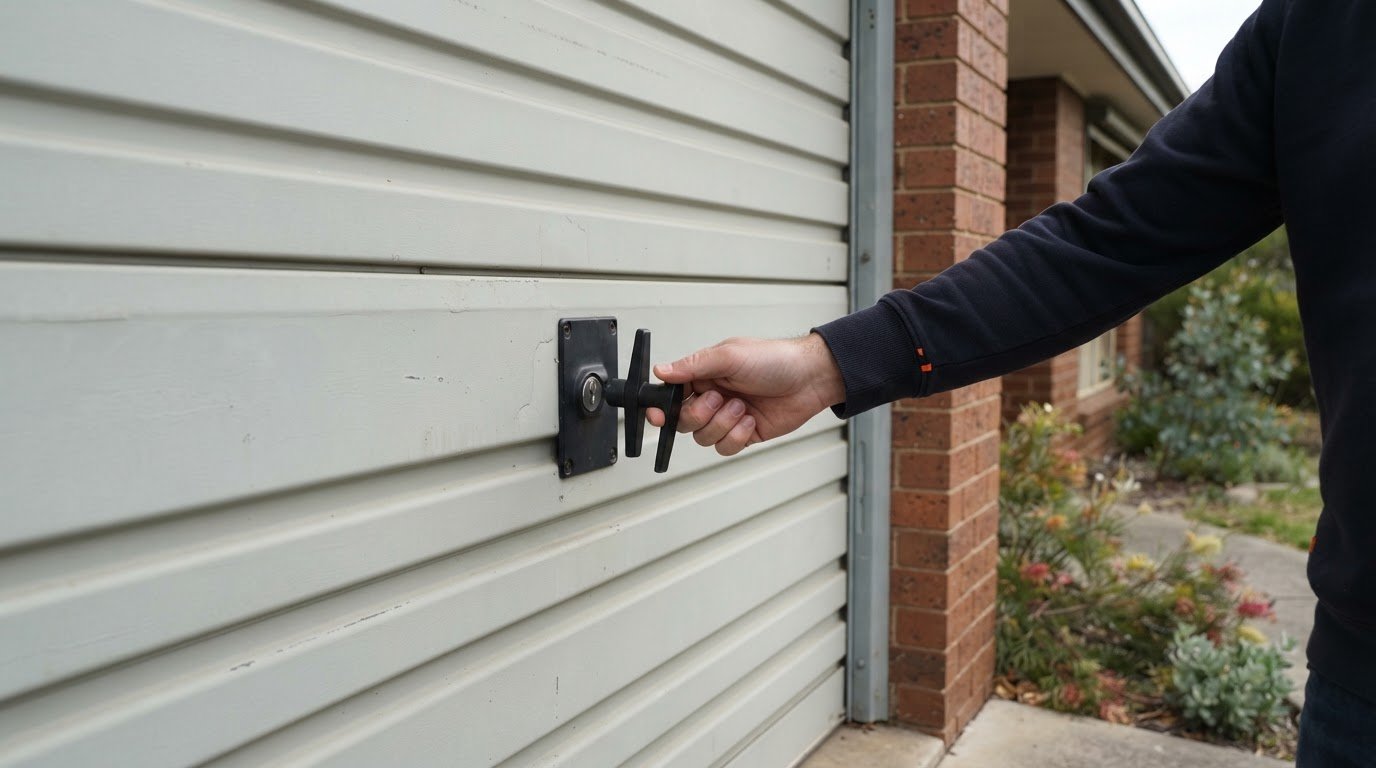
Grinding caused by worn rollers or metal-on-metal contact
Listen for grinding as the door moves, then inspect the rollers and track contact points. A worn roller or metal rubbing against metal can cause a steady scrape that cleaning alone won’t resolve.
Inspect the rollers for wearWith the door stationary, check each visible roller for damage, uneven wear or rough movement. Then watch from a safe distance as the door travels, noting whether grinding recurs at the same point. A roller that catches or wobbles can rub against the track and make the door sound harsher as it moves.Don’t remove rollers or reach into the track while the door is moving. Replacing worn metal rollers with nylon rollers can reduce noise. A damaged, binding or visibly misaligned roller needs more than lubrication. Note its position and whether the sound comes from one side or both.
Check for metal-on-metal contactWatch the door travel and look for fresh scrape marks on the track, hinges or other metal parts. Grinding that recurs at the same spot can help pinpoint where parts are rubbing. Check whether a roller runs unevenly or a hinge appears to touch nearby metal, but don’t bend or move components to test them.Compare the sound with the door’s movement. A continuous scrape suggests ongoing contact, while a brief grind may occur at one section. If you see a bent part, damaged roller or persistent metal rubbing, stop operating the door and arrange professional repairs. Continued movement can worsen the contact and make the noise harder to trace.
Diagnosing garage door noises
To work out how to fix a noisy garage door, first identify when the sound occurs and whether it follows the door or the opener. Start with the noise pattern rather than guesswork or repeated testing.
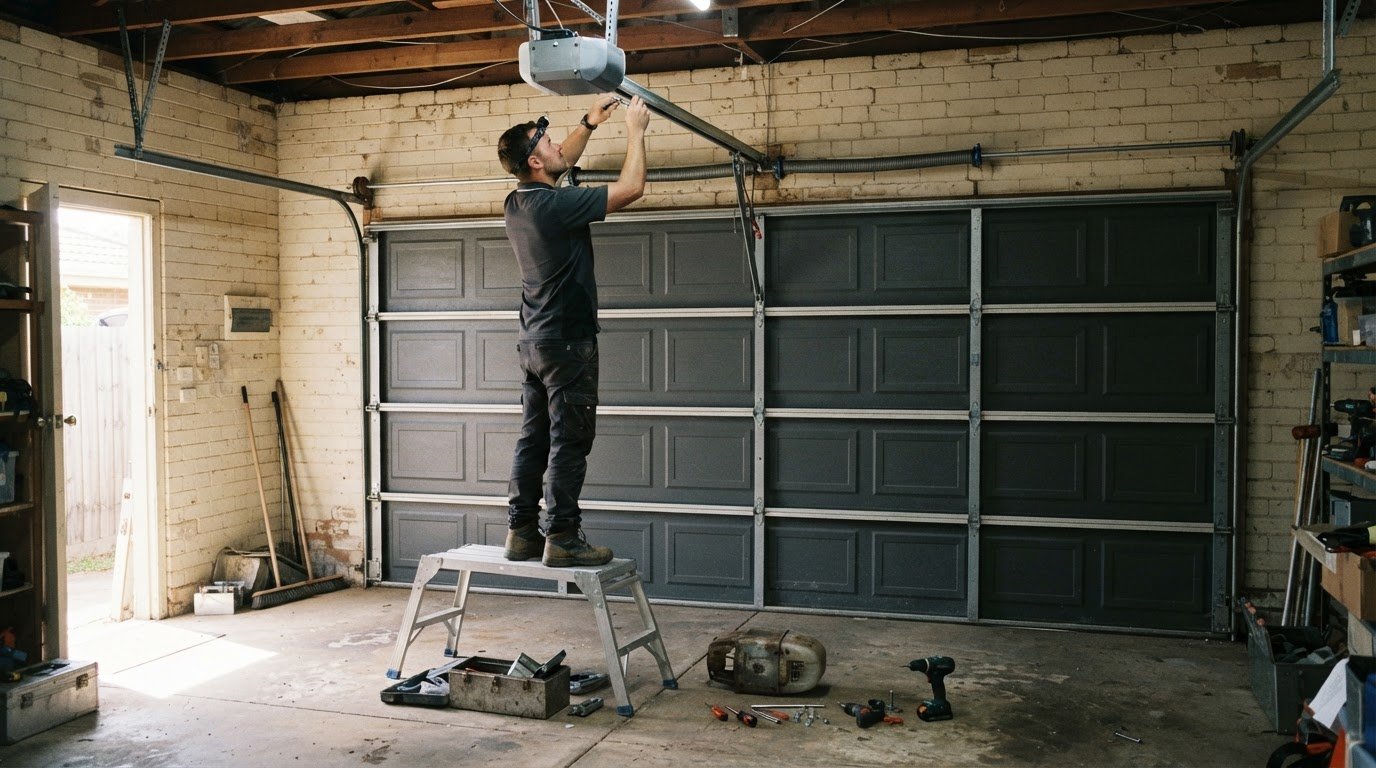
Troubleshoot the opener or motorStand clear and listen while the opener runs. Note whether the sound comes from the motor or the moving door. If the noise continues while the door is stationary, focus on the opener; if it follows the door’s travel, the cause may be door-related. Don’t open the motor housing or reach near moving parts.Cold temperatures can stiffen garage door grease and make the door noisier until it warms up. A chain-drive opener can also be noisier than a belt-drive model, and changing to a belt drive can reduce noise. Note whether the sound occurs during opening, closing or both. This makes your next step in working out how to fix a noisy garage door more focused.
Recognise dangerous door noisesStop operating the door and contact a professional immediately if you hear a popping noise. Torsion springs may be shifting or failing. Don’t try to reproduce the sound, touch the spring assembly or keep cycling the door to test it.Stop operating the door if a cable looks slack, frayed or out of place, or if the door suddenly moves unevenly. Keep clear and note what you can see from a safe distance. Springs are under extreme tension; attempting a DIY fix can cause serious injury. A sharp pop or sudden change in movement needs professional attention.
Compare the sound with the door’s movement before choosing a fix. A hum from the motor while the door is stationary points towards the opener, while scraping that follows the door suggests contact along its path. Note the sound’s location and timing, and whether it occurs during opening, closing or both. These observations help narrow down the cause without taking the mechanism apart.If the noise persists or the door’s movement changes, arrange garage door repairs rather than repeatedly running the system. That’s a safer next step than guessing how to fix a noisy garage door when the cause may involve a mechanical fault.
We Do Garage Doors: Garage door repairs
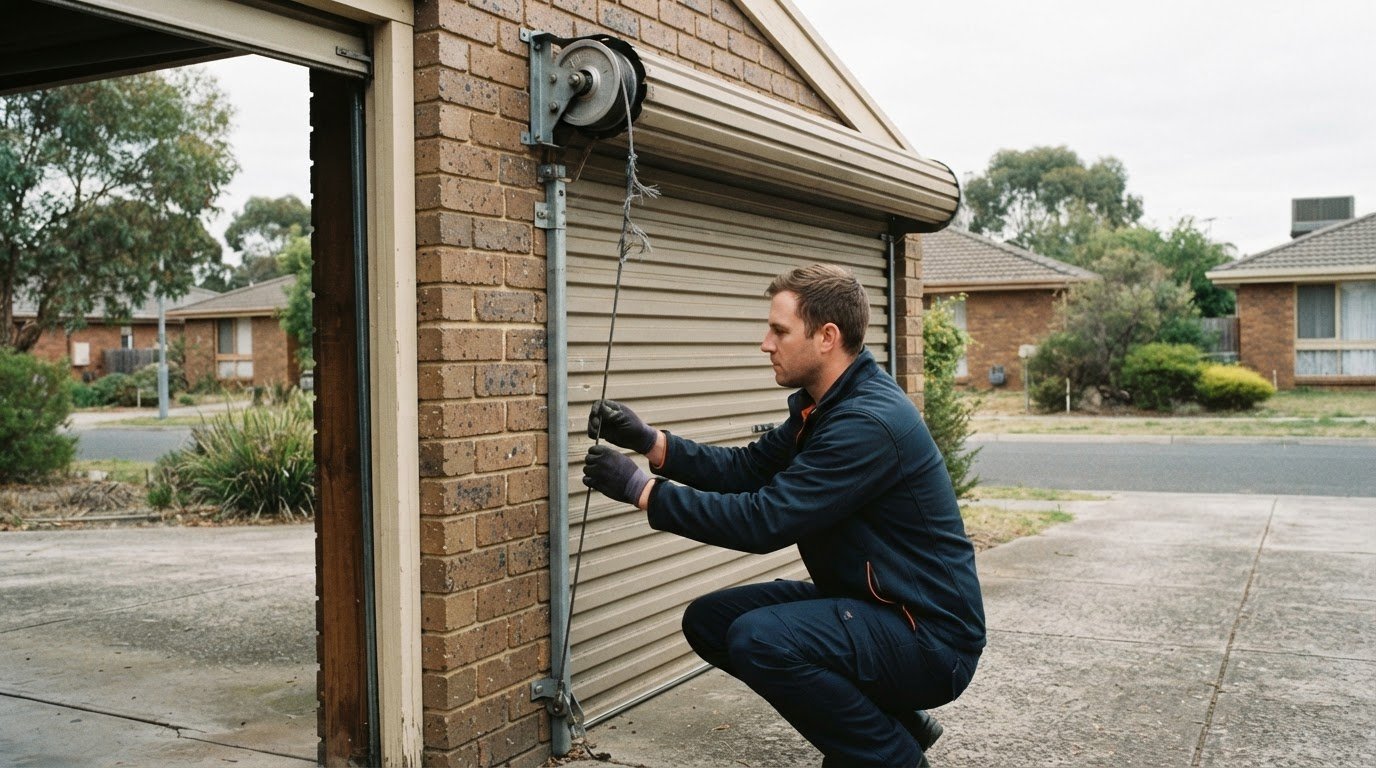
We Do Garage Doors can help when a persistent bang, grinding sound or failed balance check points to a mechanical fault. Its garage door repairs address problems that simple cleaning and careful hardware checks can’t resolve. If the noise comes from a faulty motor, motor replacement may be the relevant next step. Spring replacement is available when a spring fault is identified, but don’t attempt to adjust or replace a high-tension spring yourself. A clear description of the sound, when it happens and how the door moves can help explain the issue. For a door that keeps making unusual noise or operates unevenly, contact We Do Garage Doors to discuss garage door repairs.
Choose a clear next step for your garage door
Knowing how to fix a noisy garage door starts with recognising what you can safely handle and when a repair needs professional attention. If the noise persists, don’t keep testing the door or adjust parts you’re unsure about. A measured next step is safer than guesswork that could worsen the problem.
Before arranging help, note what has changed: when the sound occurs, whether the door still moves smoothly and which checks you’ve completed. This gives the repair conversation a useful starting point without requiring you to diagnose the mechanism. It also helps explain whether the noise is occasional or happens with every opening and closing cycle.
For a calm, practical next step, contact We Do Garage Doors about the door’s symptoms and repair needs. A clear description can help turn an unsettling noise into a plan for restoring dependable operation.
Frequently Asked Questions
What are the common causes of a noisy garage door?
Common causes include loose hardware, an unbalanced door, worn rollers, metal rubbing against metal or a noisy opener. Rattling during travel may point to a loose part, while grinding that repeats in one spot can suggest roller wear or contact. Cold weather can also temporarily stiffen garage door grease. Note when and where the sound occurs to help narrow down its likely source.
How do you tighten loose garage door nuts, bolts and brackets?
With the door closed, use a correctly sized spanner or socket to gently secure accessible loose fasteners. Work one at a time and keep clear of hinges and moving joints. Stop if a bolt spins freely, a bracket shifts or the fixing point appears damaged. Avoid working on spring hardware or forcing a fastener into place, as either can be unsafe.
How can you tell whether garage door rollers need replacing, and what do replacements cost in Australia?
Look for rollers that are visibly damaged, wobble, catch during travel, or produce persistent grinding after cleaning and lubrication. Worn metal rollers can be replaced with nylon rollers to reduce noise. Replacement costs depend on factors such as the roller type and the door’s condition; the price is determined after a quote request. Avoid removing rollers yourself if they’re difficult to access or the door is unstable.
Is it safe to repair garage door springs or cables yourself?
No. Don’t attempt spring repairs or adjustments: springs are under extreme tension, and a DIY fix can cause serious injury. If a cable looks loose, frayed or displaced, don’t pull, cut or try to reseat it. Keep clear of the door and its moving parts, and arrange professional attention. A door that suddenly hangs unevenly or changes how it moves needs assessment, not repeated operation.
Which lubricant is best for a garage door in Australia: silicone spray or lithium grease?
The article recommends either silicone-based spray or white lithium grease for moving parts such as rollers, hinges and springs. Keep lubricant off the track surface.
Comments