

How to Fix a Squeaky Garage Door Roller With the Right Lubricant
The quickest spray in the shed isn’t always the right fix for a squeaky garage door roller. A silicone-based spray or lubricant made for garage doors is generally the better choice, while WD-40 isn’t recommended as a long-term lubricant.
A squeal can come from dry roller bearings, but dirt, rust or worn parts may also cause the noise. To fix a squeaky garage door roller, a technician inspects the roller and surrounding hardware, cleans away grime where needed, then applies suitable lubricant to the relevant moving parts. Tracks should be cleaned, not lubricated. Cracked or damaged rollers may need replacement rather than another spray.
This guide explains which lubricants suit garage door components, what a professional repair involves and what can affect the result. It also covers sounds that may signal a deeper fault, so you can tell when lubrication could help and when a garage door repair is the safer next step.
Table of Contents
What lubricant does a professional use for a garage door?
A technician generally selects a silicone-based spray or a lubricant made for garage doors. Safety comes first: B&D states that garage door repairs and servicing should only be provided by a trained professional. The technician also treats springs and cables as components requiring proper assessment, not casual lubrication points.
Inspect the door before cleaning. The technician identifies the door type and checks the rollers, hinges and internal tracks. Dirt, rust or old grease can cause friction, so the inspection helps show whether noise may involve more than dry moving parts. If a roller looks damaged, lubricant alone may not address the problem.
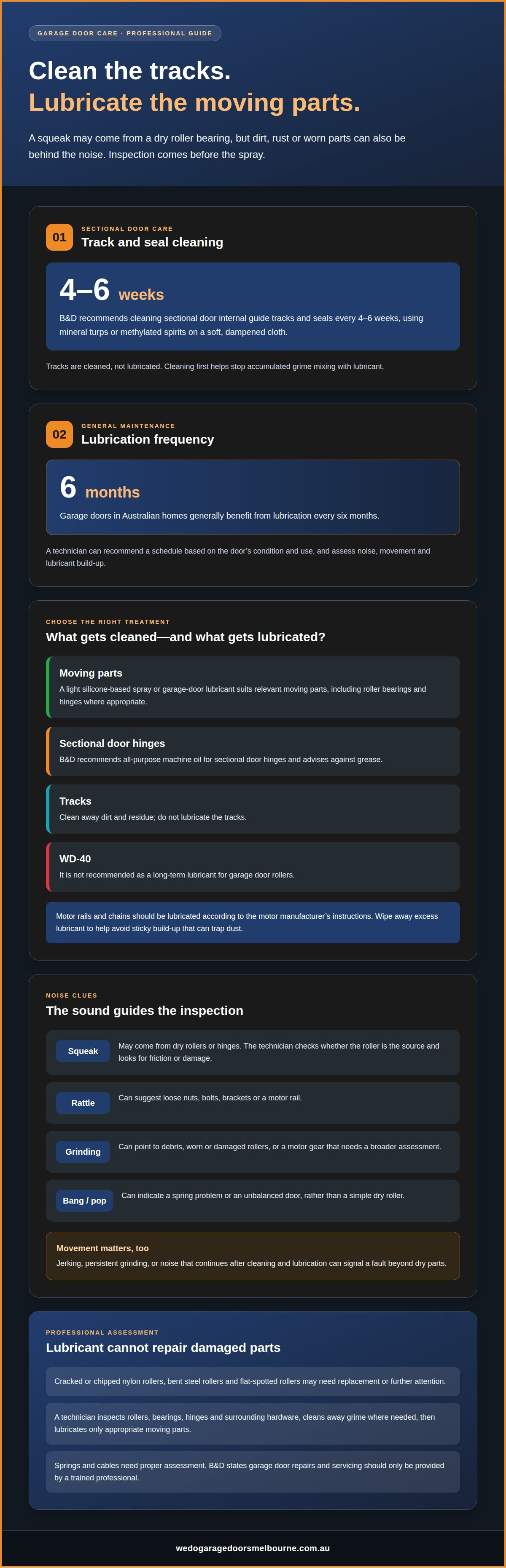
Remove dirt and residue from the tracks. For sectional and roller doors, a technician can clean tracks with methylated spirits on a soft cloth. For sectional doors, B&D recommends using mineral turps or methylated spirits on a soft, dampened cloth for internal guide tracks and seals every 4-6 weeks. Cleaning first helps keep accumulated grime from mixing with lubricant.
Clean the rollers and hinges before applying lubricant. The technician removes visible dirt and old grease from these parts, taking care to reach the roller bearings and hinge joints. A clean surface lets the correct lubricant reach the moving contact points instead of coating debris. The tracks themselves are cleaned, not lubricated.
Choose the lubricant for each component. A light silicone-based spray or garage-door lubricant suits the relevant moving parts. For sectional door hinges, B&D recommends all-purpose machine oil and advises against grease. The technician applies only where appropriate, then wipes away excess. This careful approach helps avoid a sticky build-up that can trap dust.
Common causes of garage door noise
Before choosing a repair, a technician identifies the sound and when it occurs. Squeaks, rattles, grinding and bangs can point to different faults. To fix a squeaky garage door roller, the technician first checks whether the noise is actually coming from the roller.
Note when the noise occurs. The technician listens as the door starts, moves and stops. A squeak during travel may come from dry rollers or hinges. Rattling can suggest loose nuts, bolts, brackets or a motor rail. Matching the sound to the door’s movement helps narrow the inspection.
Inspect rollers for friction or damage. Dust, debris and rust can make rollers noisy as they move. A technician checks their surfaces and bearings for wear. Cracked or flat-spotted rollers may keep grinding after lubrication. Nylon rollers can crack or chip, while steel rollers can bend.
Check the tracks for obstruction or wear. Debris in a track can contribute to grinding and interrupt smooth movement. A technician looks for dirt and contact marks along the door’s path. The motor gear can also wear, so grinding near the motor needs a broader assessment.
Assess springs and door balance when bangs occur. Banging or popping can indicate a spring problem or an unbalanced door. These sounds need a technician’s assessment, rather than repeated lubrication. A spring fault differs from a simple roller squeak and can affect how the door moves.
Watch for movement changes as well as sound. A jerking door, persistent grinding or noise after cleaning and lubrication can signal a fault beyond dry parts. The technician considers rollers, tracks and the motor together. When fixing a squeaky garage door roller, this wider check helps distinguish local friction from a problem affecting the door’s operation.
Use the noise pattern to guide the repair. A squeak, rattle or bang is a clue, not a diagnosis on its own. If noise persists, arrange a professional garage door assessment. The technician can identify whether worn rollers, loose hardware, debris or another component needs attention.
Professional lubrication of sectional and roller doors
A technician cleans and inspects the door, then lubricates the appropriate moving parts. Nylon roller bearings may need lubrication, but cracked or chipped rollers may need replacement instead.
Understand the professional steps for squeaky roller repairTell the technician when the squeak happens, such as while the door opens or closes. They inspect the rollers, bearings, hinges and door movement to locate friction and spot visible damage. The door type and condition affect the repair: a dry bearing may need lubricant, while a cracked roller needs further attention. A spray alone won’t correct a damaged part.
Professional lubrication of moving partsAsk which lubricant suits each component. A technician applies an appropriate lubricant to roller bearings and hinges, and to springs only when suitable. On sectional doors, lubricant goes on moving parts, not the tracks. Motor rails and chains should be lubricated according to the motor manufacturer’s instructions. The technician then operates the door and wipes away excess.
Get professional advice on garage door lubrication frequencyAsk the technician to recommend a maintenance schedule based on the door’s condition and use. Garage doors in Australian homes generally benefit from lubrication every six months. A professional service can include lubrication, and more frequent maintenance may help keep the door in good condition. The technician can assess noise, movement and lubricant build-up when suggesting an interval.
Ask a technician about nylon roller lubricationHave the technician inspect the nylon roller and its bearing before deciding what needs attention. The bearing may benefit from suitable lubrication, but the roller’s condition matters too. Nylon rollers can crack or chip, and lubricant will not repair that damage. If the roller is damaged or the noise continues after lubrication, replacement may be more appropriate than applying more product.
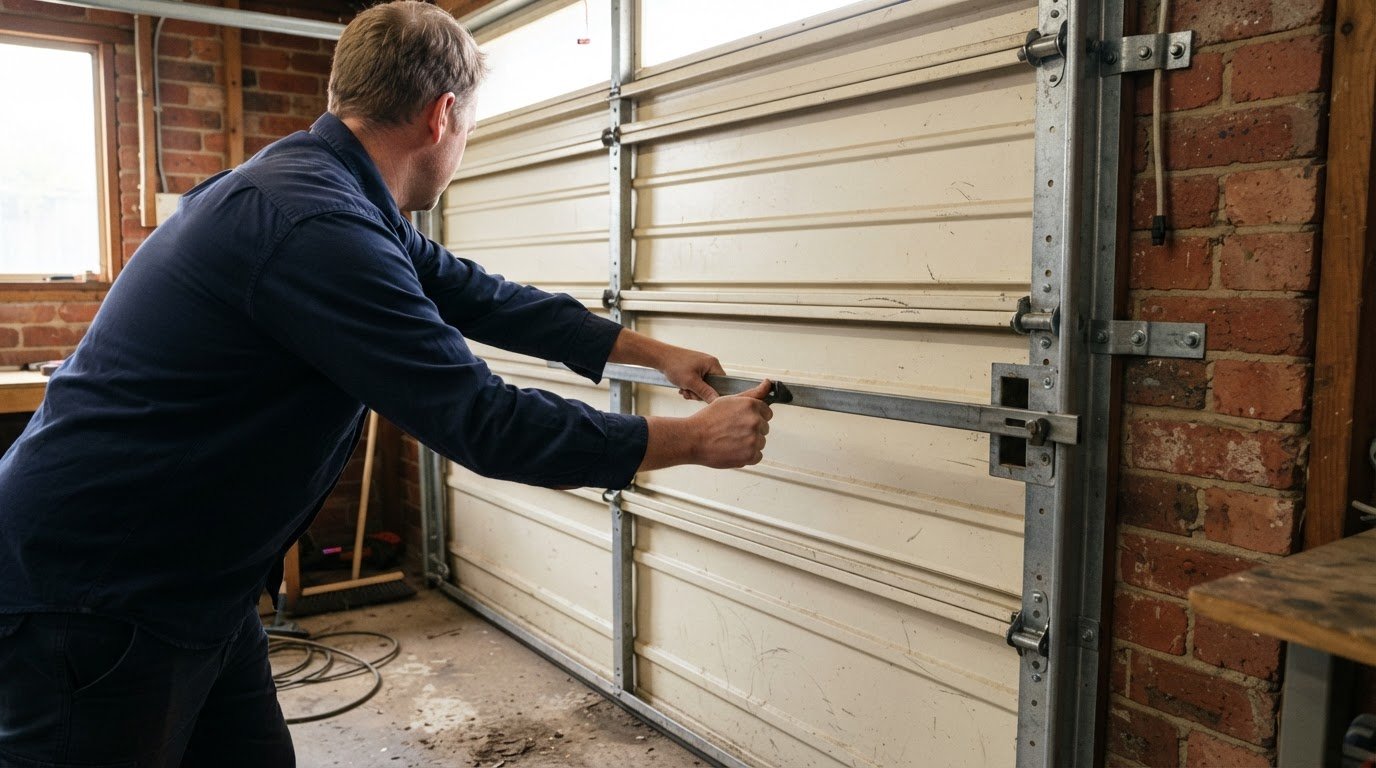
Professional tightening of loose hardware
A garage door rattle can come from loose nuts, bolts, brackets or a motor rail. A technician identifies the source before adjusting hardware, since tightening the wrong part will not solve the noise.
Trace the rattle to its source. The technician listens for rattling as the door moves and inspects the hardware along its route. Loose fasteners and a loose motor rail are possible causes. Pinpointing which component moves helps separate hardware noise from roller friction or other faults.
Assess fasteners with the door closed. Before tightening loose fasteners, the technician closes the door. They examine nuts, bolts and brackets for looseness and poor condition. This helps distinguish a fastener that needs adjustment from one that needs replacement.
Replace fasteners in poor condition. A damaged or deteriorated fastener may not hold securely after adjustment. The technician replaces fasteners in poor condition rather than relying on extra tightening. The decision depends on the fastener’s condition and its role in the door hardware.
Tighten loose fasteners without overtightening. The technician adjusts loose nuts and bolts carefully, stopping before they become overtightened. Too much force isn’t the answer to a rattle. Correct adjustment addresses looseness while avoiding unnecessary strain on the fastener or bracket.
Reassess the noise and remaining movement. Once the loose hardware has been addressed, the technician checks whether the rattle persists. A remaining sound may come from another loose bracket, the motor rail, or a different door component. That distinction helps guide any further inspection instead of treating every noise as a fastener problem.
If rattling continues or the hardware needs professional attention, arrange a garage door repair for an assessment and suitable repair.
We Do Garage Doors
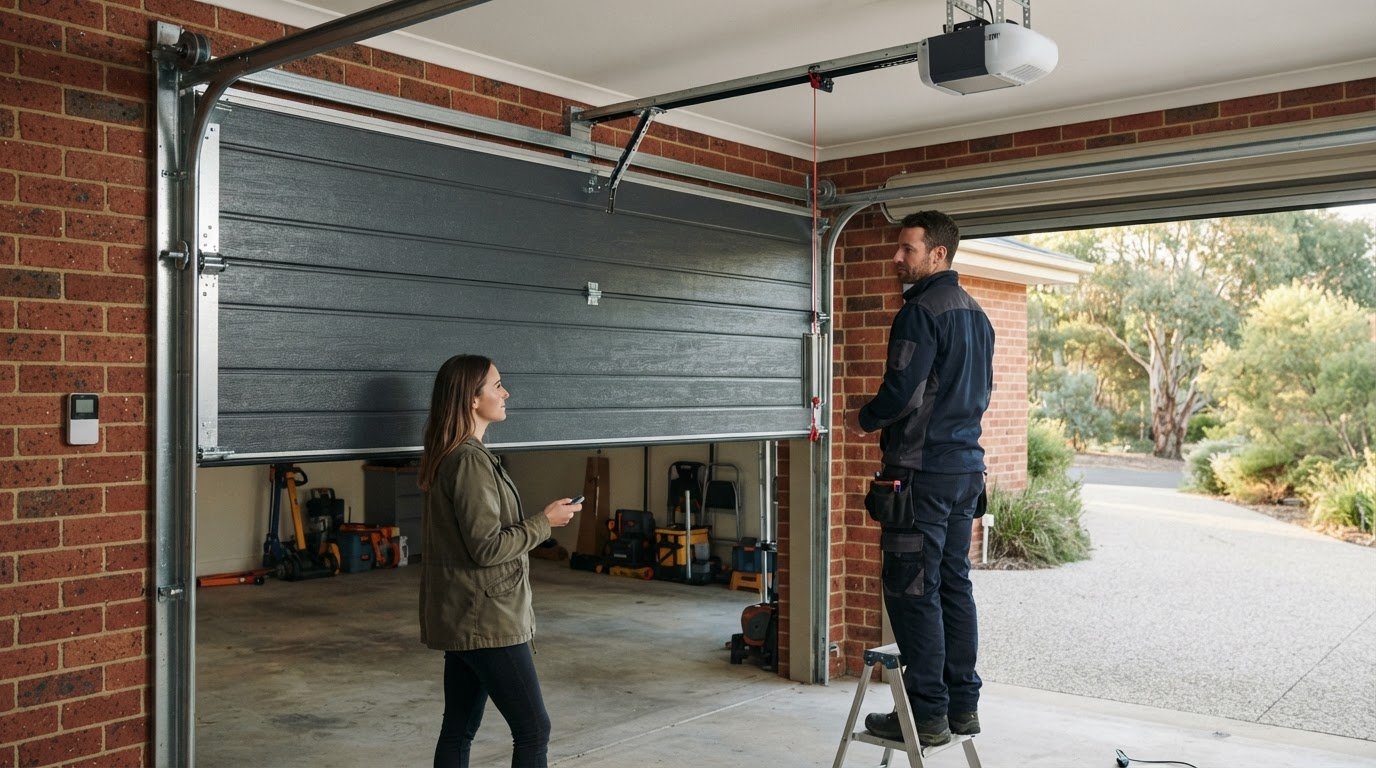
We Do Garage Doors helps Melbourne homeowners, including those in Greenvale, Craigieburn, Mickleham, Roxburgh Park and Wollert, address persistent garage door noise with professional repairs and hardware assessments. If cleaning and suitable lubrication have not stopped the squeak, or the door grinds, bangs or moves unevenly, a technician can assess whether a roller or another component needs attention.
The right repair depends on the fault. Worn parts may need attention, while a motor or spring problem may require replacement. We Do Garage Doors also installs smart door controls as a retrofit for an existing door and motor. A professional assessment of the noise and door movement is a better next step than adding more lubricant to a persistent problem.
Contact We Do Garage Doors to discuss your garage door concern.
Take the next step towards a quieter door
To fix a squeaky garage door roller effectively, consider what the noise may reveal about the door’s condition. Notice whether it happens as the door starts, travels or stops, and whether its movement has changed. These details can help a technician focus the assessment on the right part instead of treating every squeak as a lubrication issue.
If the noise persists or the door moves unevenly, arrange a professional assessment. A technician can consider the sound alongside the door’s movement and hardware, then explain the appropriate repair. This gives you a clearer basis for deciding what to do, without relying on repeated sprays to mask the symptom.
For a calm, practical conversation about the noise, get in touch with We Do Garage Doors. A little clarity can make the next step feel straightforward.
Frequently Asked Questions
What lubricant is best for garage door rollers and tracks in Australia, and how does a technician choose?
Clean the tracks, and use lubricant only on appropriate moving parts. A technician considers the door type, roller bearings and manufacturer’s instructions before choosing a product. For example, sectional door hinges may call for all-purpose machine oil. The right choice depends on the component, not simply where the noise seems loudest.
Can a technician use WD-40 on garage door rollers or tracks?
WD-40 isn’t recommended as a long-term garage-door lubricant. A technician selects a suitable product for the moving part instead, such as a silicone-based spray or garage-door lubricant. Tracks are cleaned, not lubricated, because a coating can collect grime. If WD-40 has already been applied, the technician can assess the parts and decide what cleaning or further attention is appropriate.
How can a technician tell if garage door rollers need lubrication or replacement?
A technician checks whether the roller is intact and whether the noise comes from its bearing or surface. A dry bearing may need suitable lubrication; a cracked, chipped or flat-spotted roller is damaged, and lubricant will not fix it. Steel rollers can also bend. If the squeak remains after appropriate lubrication, the technician checks for wear or another fault before recommending a repair.
Why do garage door rollers squeak, and what other parts will a technician check?
Rollers can squeak when dust, debris or rust creates friction, or when moving parts lack lubrication. A technician also checks hinges, springs, tracks and the motor, since the sound may not originate at the roller. For example, grinding near the motor can indicate a wearing gear. The sound and the door’s movement help narrow down which component needs attention.
When should you call a garage door technician for squeaky rollers?
Arrange a technician’s assessment if squeaking continues after appropriate cleaning and lubrication, or if the door jerks, bangs or grinds. These signs can point to worn rollers, a spring problem, an unbalanced door or a motor fault. Avoid trying to treat persistent or changing noise with repeated lubricant. A technician can inspect the door and determine whether a repair or component replacement is needed.
What safety precautions should you take when repairing garage door rollers
Have a trained professional handle garage door repairs and servicing. Do not loosen or adjust components attached to springs or cables, as they are under high tension.
Comments