

Signs Your Garage Door Opener May Need Replacing
A garage door opener is worth considering for replacement every 10-15 years, or sooner if it becomes noisy, shaky or unreliable. These symptoms can point to wear, but they don’t automatically mean the motor has reached the end of its life.
A change in sound, visible vibration, delayed response, repeated breakdowns or a door that reverses unexpectedly are signs you need a new garage door opener, though some problems may be resolved with service instead. Age alone isn’t the only factor: how consistently the opener works and whether problems keep returning also matter.
This guide explains what to look for, when a repair may make sense and when replacement is worth considering. You’ll also learn what a newer opener may offer, including more convenient control options, so you can make a practical choice for your home.
Table of Contents
1. How to tell if your garage door opener needs replacing?
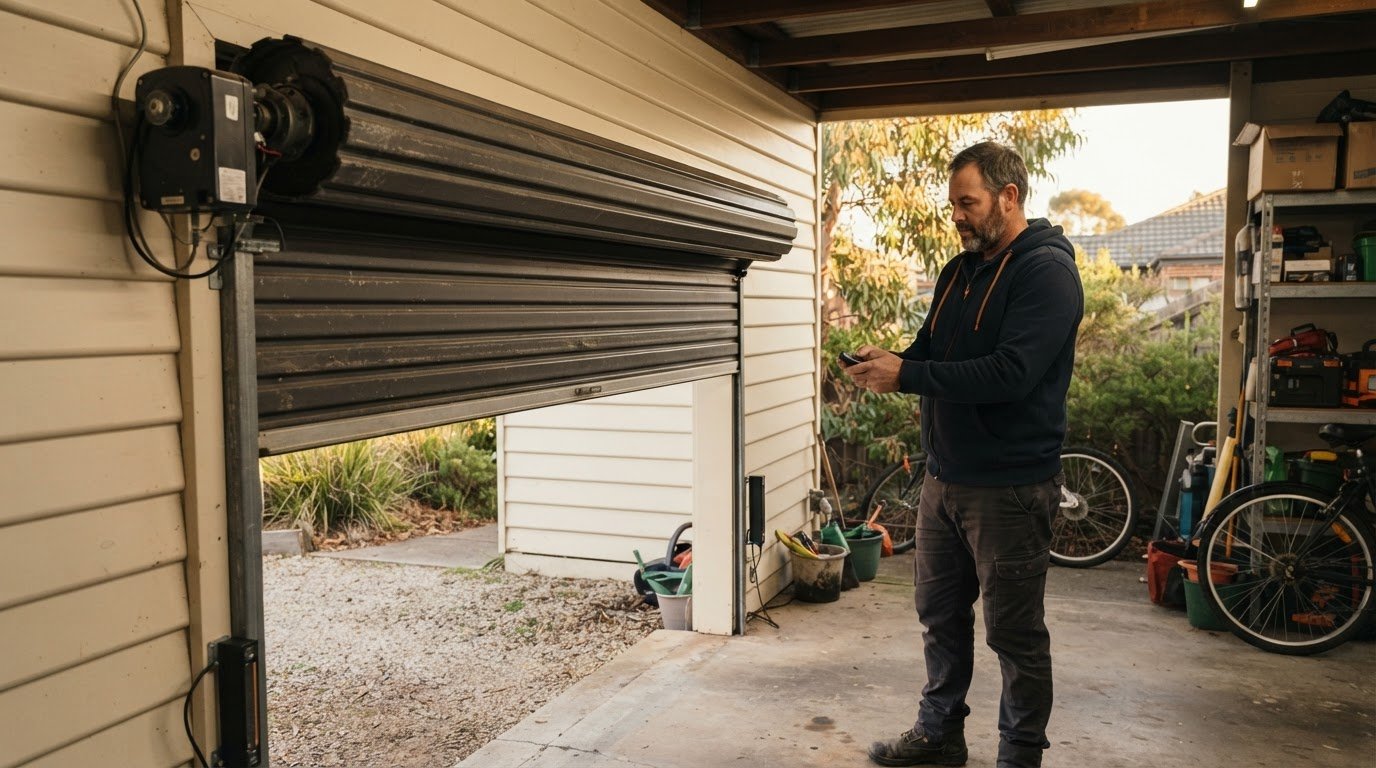
Grinding, squealing or banging during automatic operation can point to worn gears, poor lubrication or failing internal parts. Watch for changes, such as a new rattle, harsher squeak or sudden increase in volume. A grinding sound as the door starts moving or reaches the end of its travel may indicate a developing motor fault, though other door components can also make noise.
Vibration adds another warning. If the opener visibly shakes while running, its motor may be overworked; excessive movement can also loosen its mounts and, if left unchecked, cause the unit to detach from the ceiling. A motor more than 10 years old that continues making unusual noises may warrant replacement. However, noise alone doesn’t prove the opener has failed: loose parts or debris near the tracks can also create banging or rattling.
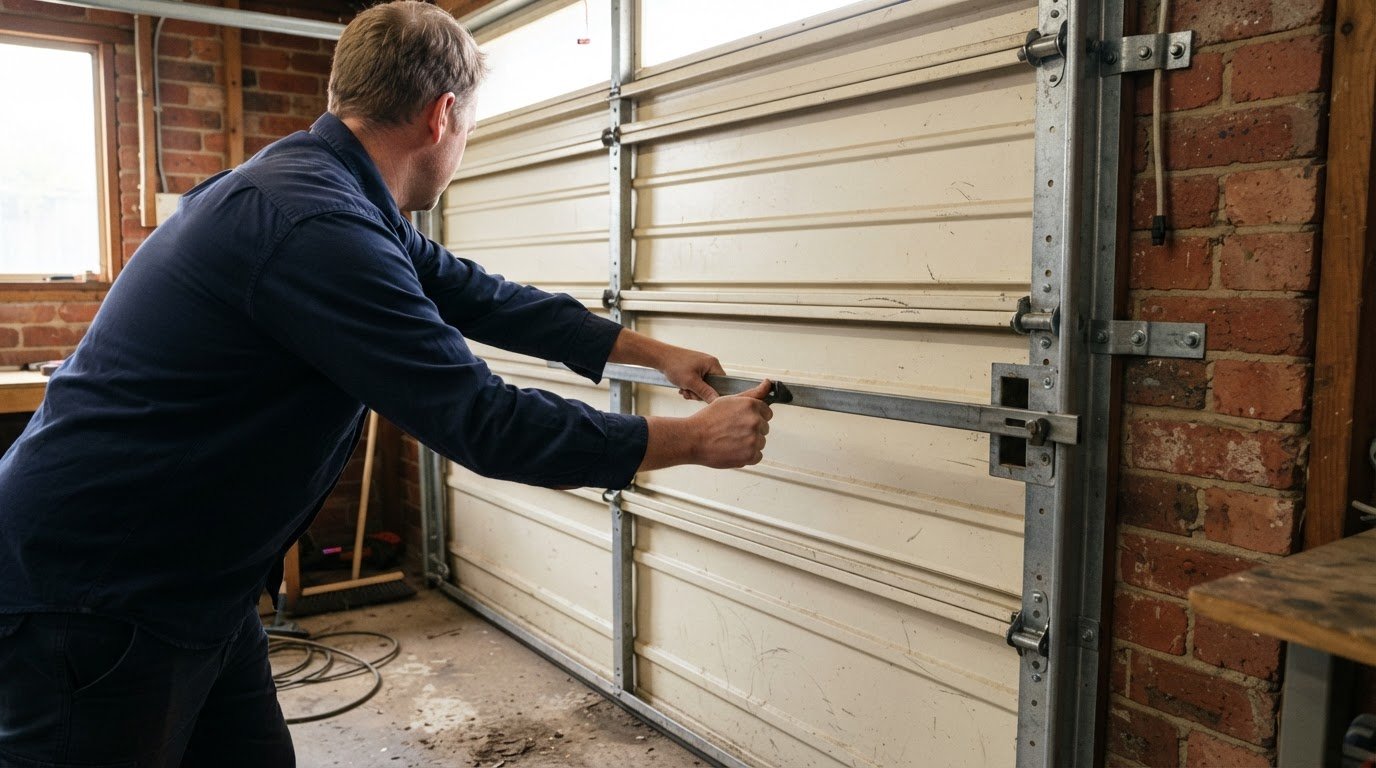
First, look for loose items or debris around the tracks, but don’t touch springs or other high-tension parts. If the noise seems to come from the door’s moving parts, addressing the source may help. If unusual sounds continue, stop operating the door and arrange a professional inspection rather than cycling it repeatedly to see if the noise goes away.
Also note what happens during operation. If strange noises accompany a motor that runs without moving the door, worn gears may be involved; slow or unresponsive operation can point to a remote, receiver or circuit issue instead. A newer opener may run more quietly than an older model, but quieter operation isn’t the only reason to replace one. If the opener is within the 10-15-year replacement window and its noise or vibration persists, an assessment can help distinguish repairable wear from a motor nearing replacement.
2. Garage door opener service and replacement
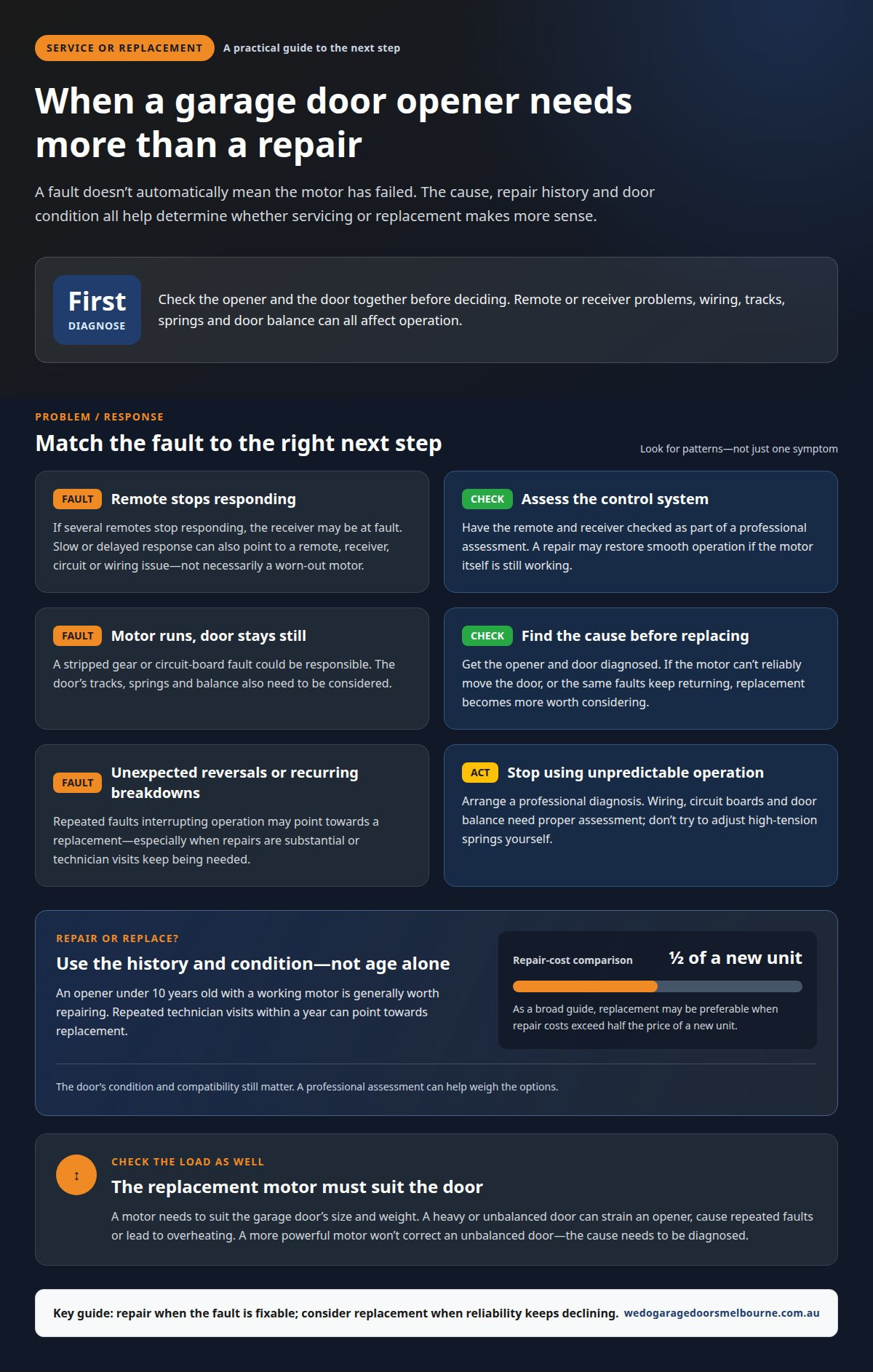
Arrange professional attention if the door reverses unexpectedly, the motor runs without moving it, or recurring faults interrupt operation. Wiring, circuit boards and door balance need proper diagnosis. Don’t try to adjust high-tension springs yourself.
Not every fault means you need a new opener. An assessment can check the remote and receiver, tracks and springs, and determine whether repair could restore smooth operation. If several remotes stop responding, the receiver may be at fault. If the motor runs but the door stays still, a stripped gear or circuit-board fault could be responsible. Slow response can also stem from wiring, not a worn-out motor.
Replacement makes more sense when breakdowns keep returning, repairs are substantial, or the motor can’t reliably move the door. An opener under 10 years old with a working motor is generally worth repairing. Repeated technician visits within a year can point towards replacement. As a broad comparison, replacement may be preferable when repair costs exceed half the price of a new unit, although the door’s condition and compatibility also matter. For further practical advice on troubleshooting and typical maintenance costs, repair specialists like affordablegaragedoorrepairandsales.com outline common opener issues and servicing options.
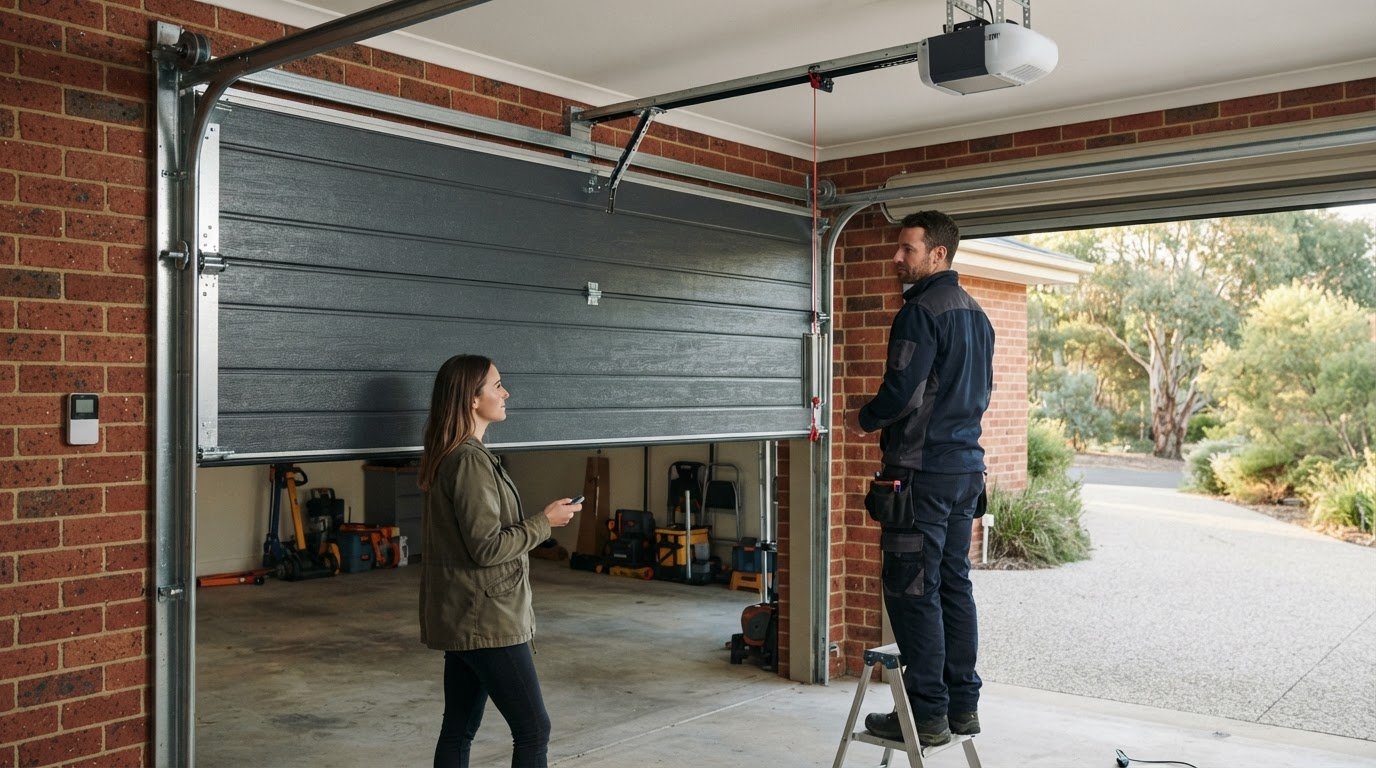
A replacement motor needs to suit the garage door’s size and weight. A heavy or unbalanced door can strain an opener and lead to repeated faults or overheating. Installing a more powerful motor won’t correct an unbalanced door; the cause needs to be diagnosed. We Do Garage Doors can assess the door and opener together before recommending repair or motor replacement.
For a problem that may be repairable, garage door repairs can help address the fault without assuming a new opener is needed. The right option depends on the motor’s condition, the nature of the fault and whether the door itself is operating correctly.
3. Benefits and features of upgrading an old opener
A faulty opener may fail to reverse a closing door, increasing the risk of contact with a person or object. Unexpected opening can also leave the garage accessible. If the door behaves unpredictably, stop using the opener and arrange a diagnosis.
Some newer models include infrared safety beams, also called photo eyes. They detect an obstruction as the door closes and trigger it to stop and reverse before making contact. An opener without a second safety reversing feature, such as photo eyes, is a reason to consider an upgrade. Motion-activated lighting and battery backup are also available on some modern openers.
Security can change with the opener’s age and remote technology. Older models may use fixed codes, which can be recorded and replayed. Rolling-code remotes change the code after each use, making replay less straightforward. An opener installed more than a decade ago may lack rolling codes, battery backup or smartphone control, so check which features matter for your household.
Smartphone control can let you operate a compatible opener remotely or through a home automation system, and some newer models work with voice assistants. Think about how you use the garage: remote control can help when your hands are full, while a wall button may suit a simpler setup. DASMA recommends mounting the wall button at least five feet above the floor, out of children’s reach. A quieter model may also reduce operating noise, particularly when someone arrives home late. Features vary, so compare the safety and control functions that meet your needs, not just convenience.
4. Garage motor age and expected lifespan
A garage door opener doesn’t have a single expiry date. Reliability often starts to decline after 10 years of use, and an opener installed for over a decade may be due for an upgrade. A 10-15-year replacement window is a useful guide, not a guarantee that every motor will last 15 years. Much like other critical home systems—where staying on top of scheduled maintenance with trusted providers such as Lil' Stinky Septic Service prevents sudden infrastructure emergencies—age matters most alongside changes in performance, repeated faults and the condition of the garage door.
Usage and load affect wear. An opener working with a heavy or unbalanced door is under more strain. A motor that struggles with the door’s weight can overheat, while an opener suited to the load can support reliable operation. Persistent grinding or strange sounds alongside inconsistent movement warrant attention.
Repair history adds another clue. If a technician has needed to address recurring opener faults, or several repairs have been needed within a year, replacement may be preferable to continuing repairs. By contrast, an opener under 10 years old with a working motor is generally worth repairing. The decision rests on the motor’s condition, the fault, and whether the door itself is placing excess strain on the system.
Age can also mean missing features, rather than immediate mechanical failure. An older model may lack battery backup or newer control options, so consider whether an upgrade would address practical needs as well as reliability. If the motor is ageing, frequently breaking down or struggling with the door, arrange a motor replacement assessment to help determine the appropriate next step.
We Do Garage Doors
We Do Garage Doors can help you work out whether an opener problem calls for repair, motor replacement or a different solution. If the door is unreliable, repeatedly breaking down or no longer meeting your needs, an assessment can consider the opener alongside the door and its hardware. That matters because an unbalanced door or worn spring can affect how the motor operates, while a fault may sometimes be repaired without replacing the opener.
Depending on the issue, support may include garage door repairs, spring replacement, motor replacement or smart door control. The aim is to match the next step to the problem, rather than assume every ageing opener needs replacing. If you’re unsure what the symptoms mean, contact We Do Garage Doors to discuss your garage door opener.
Choose a clear next step for your garage
Before deciding, note when the opener struggles and what the door does at the same time. Record whether the fault happens while opening, closing or after repeated use. These details can help distinguish an opener problem from a fault elsewhere in the door system.
The signs you need a new garage door opener may point to replacement, but first identify the cause. We Do Garage Doors provides garage door repairs, motor replacement and spring replacement where appropriate, with a one-year warranty on every repair, installed part and new installation. Contact the team for an assessment that addresses the fault rather than assuming a particular component needs replacing.
If the opener is becoming unreliable, take the next step towards a smoother-running garage door. Contact We Do Garage Doors to discuss what’s happening and find a clear way forward.
Frequently Asked Questions
How do I know if my garage door opener needs to be replaced?
Look for a pattern of unreliable operation, not just one failed attempt. If the opener works intermittently after you’ve ruled out a flat remote battery, note whether the wall control works and whether the door moves smoothly. If the fault returns or the motor can’t move the door, an inspection can identify whether the opener or another component is responsible.
Need a new garage motor?
A new motor may be appropriate if the existing unit repeatedly fails or can’t operate the door reliably. It needs to suit the door’s size and weight, not simply provide more power. We Do Garage Doors can assess the motor, door and hardware to determine whether motor replacement is needed or another fault is affecting operation.
Not sure whether to repair or replace?
Consider the opener’s age, repair history and overall condition together. A newer unit with one isolated fault may be suitable for repair, while recurring breakdowns can make replacement worth considering. The door’s balance and condition matter too: replacing the opener won’t fix a separate door problem. An assessment of both can identify a practical next step.
What causes excessive noise?
Noise can come from more than the opener motor. Debris near a track or a loose component may cause rattling or banging, while worn internal gears can grind. Note where the sound seems to come from and whether it occurs during opening, closing or both. If it persists, stop operating the door and arrange an inspection.
What causes slow or unresponsive operation?
Start with simple checks: replace the remote batteries, confirm the opener has power and make sure lock mode isn’t enabled. A functioning door should start moving within a second or two of pressing the control. If several remotes don’t work, the receiver may be involved. Bent tracks or debris blocking them can also prevent movement.
What are the signs a garage door opener needs replacing?
Recurring faults matter more than a single glitch. Watch for repeated breakdowns, a motor that runs without moving the door, or unexpected reversing. If the opener starts operating on its own, switch off its power if safe and keep clear while the cause is diagnosed. These symptoms need attention, but don’t automatically mean the opener needs replacement.
Comments